
Making Change Fun with Grade 1 Money Worksheets
Why Money Worksheets Grade 1 Are the Perfect Starting Point for Financial Literacy
Money worksheets grade 1 are structured, printable exercises that help 6- and 7-year-olds learn to identify coins, understand their values, and practice basic counting skills.
Here are the most important things first graders learn from money worksheets:
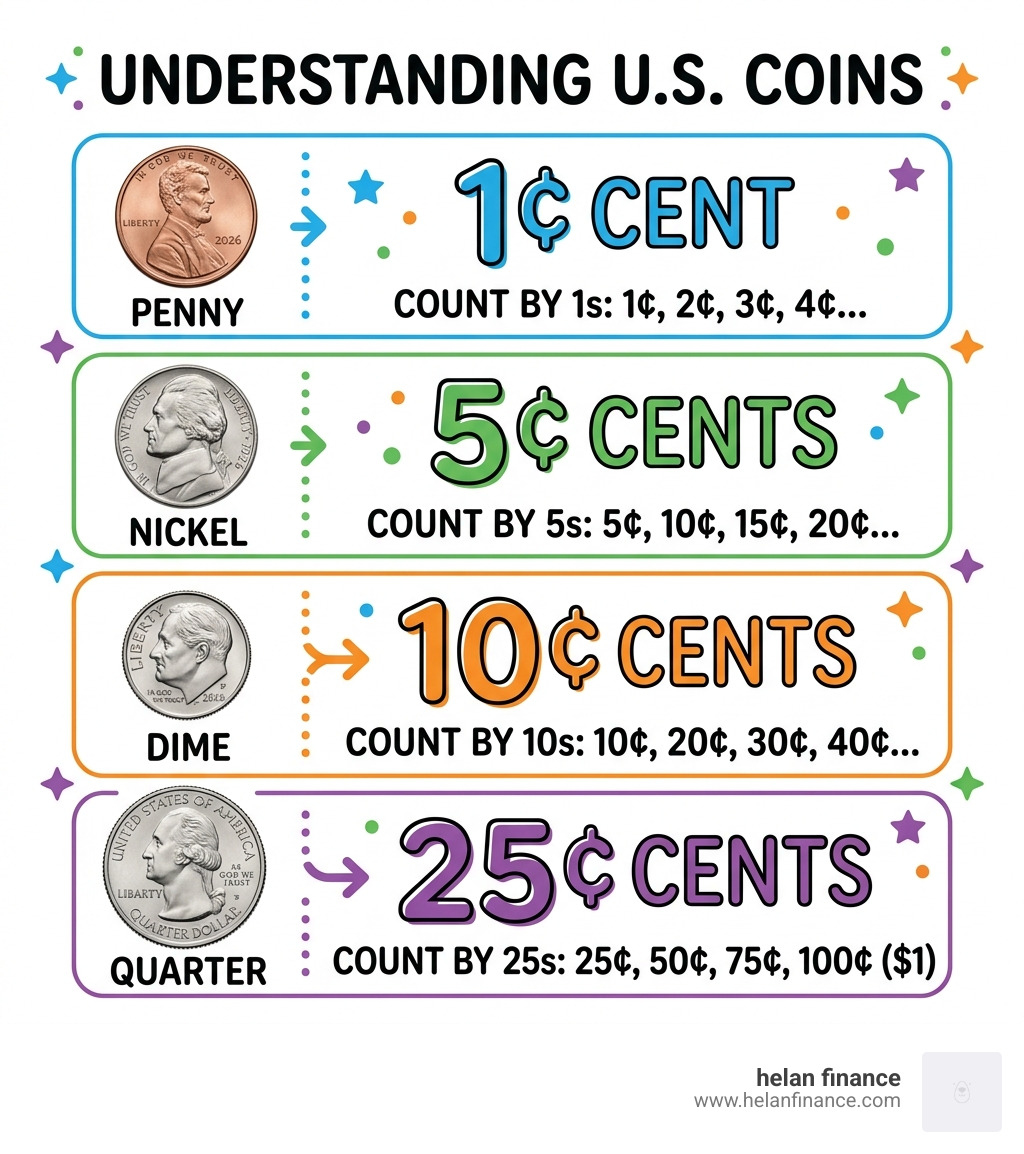
- Coin recognition – identifying pennies, nickels, dimes, and quarters by sight
- Coin values – knowing that a dime = 10 cents, a quarter = 25 cents, etc.
- Counting same coins – skip counting by 5s, 10s, and 25s
- Counting mixed coins – adding different coins together
- Simple word problems – applying coin knowledge to real-life buying scenarios
Most free printable money worksheets for grade 1 are available as instant PDF downloads from sites like K5 Learning, Math Salamanders, and TeacherVision — no sign-up required for basic sets.
First grade is when most children encounter money math for the very first time. It is a big jump. Before this, kids might recognize a coin by color or size. But in grade 1, they need to connect that shiny little dime to the number 10 — and understand why it is worth more than the bigger nickel.
That is where worksheets come in. They give kids structured, repeatable practice. And for busy parents, they are a simple, low-effort tool that works at the kitchen table in under 15 minutes.
The best part? Most of these resources are completely free to print.
Essential Money Skills for First Graders
At Helan Finance, we believe that financial planning starts with understanding the tools in your pocket. For a seven-year-old, those tools are pennies, nickels, dimes, and quarters. In April 2026, educational standards continue to emphasize that money math is about more than just numbers; it’s about building number sense and place value skills.
Before a child can master money worksheets grade 1, they need to have a solid grasp of several foundational concepts:
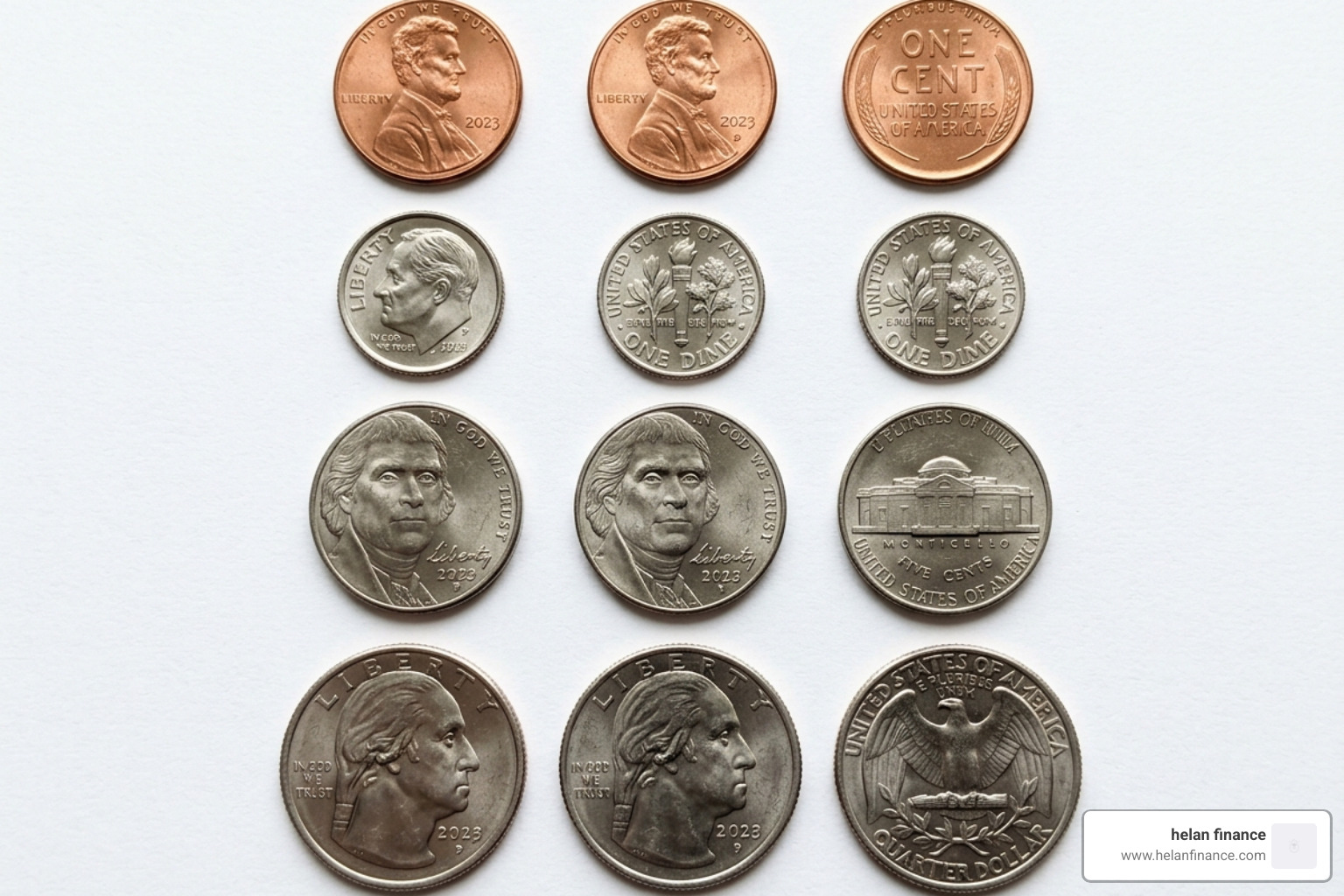
- Coin Names and Values: This is the “vocabulary” of money. Students must move beyond calling them “the brown one” or “the big one.”
- Skip Counting: This is the secret sauce of counting money. If a child can skip count by 5s and 10s, they are halfway to mastering nickels and dimes.
- Basic Addition and Subtraction: Most money math in first grade involves totals under $1.00 (or 100 cents).
- Comparing Amounts: Understanding “greater than” and “less than” helps children decide if they have enough money to buy that toy or snack.
The progression typically starts in kindergarten with simple identification and moves into 1st Grade Money Worksheets that introduce actual counting. By the time they reach second grade, they’ll be tackling bills and making change. By starting early, we set them up for a lifetime of healthy money habits.
Mastering Coin Recognition with Money Worksheets Grade 1
Have you ever noticed how similar a dime and a nickel look to a child? Or how a quarter and a nickel can be easily confused? Visual discrimination is a major hurdle in first grade.
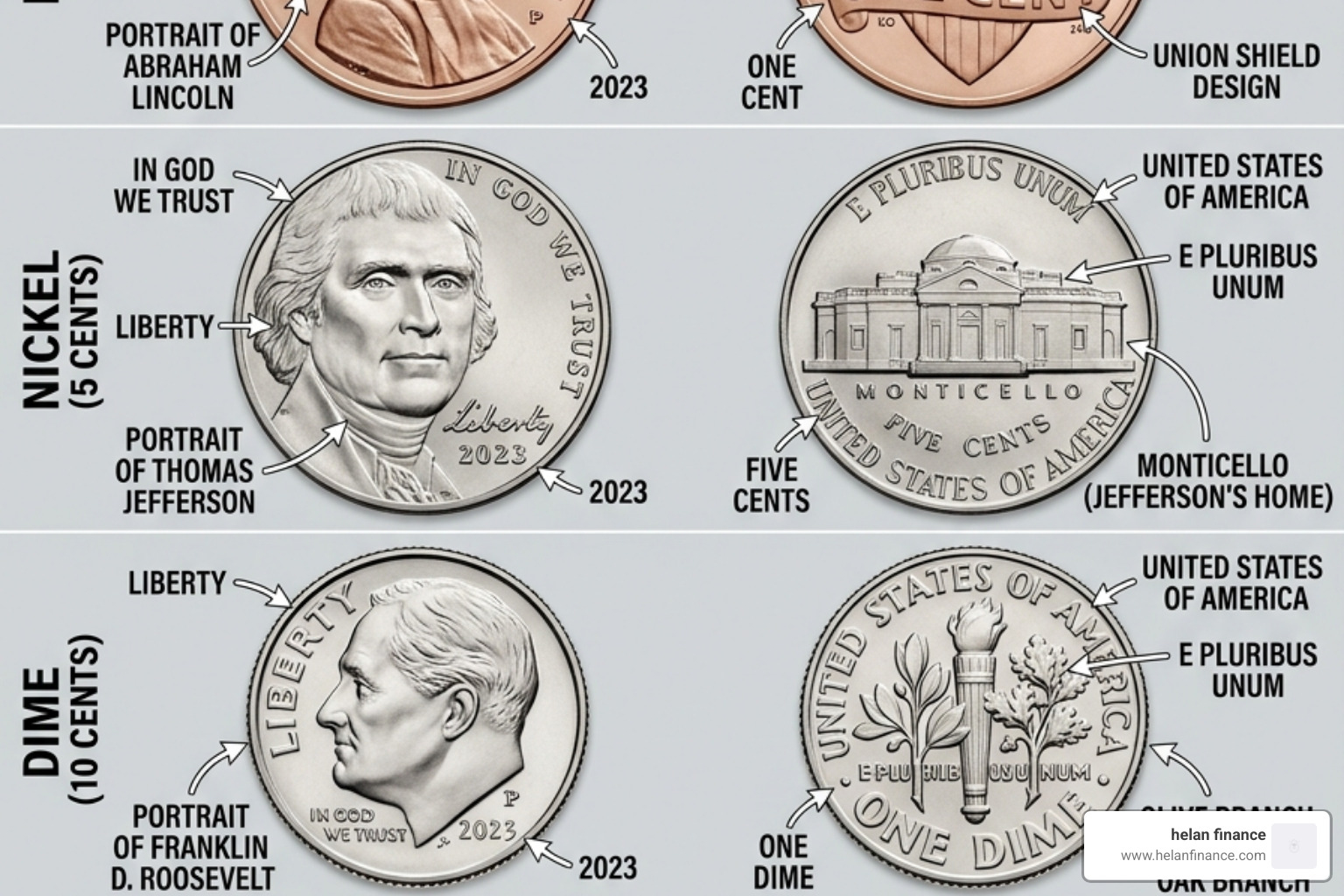
Effective money worksheets grade 1 use high-quality images of both the front and back of coins. This is crucial because, in the real world, coins aren’t always heads-up in a piggy bank!
To make recognition “stick,” we recommend using a variety of worksheet types:
- Coloring Activities: Ask the student to color all the pennies brown and all the dimes silver.
- Coin Mazes: A fun way to practice identification where the child follows a path of only one type of coin to reach the finish line.
- Sorting Exercises: These worksheets ask kids to “cut and glue” coins into the correct columns based on their value.
- Visual Matching: Drawing lines from the image of the coin to its name or its numerical value (e.g., 25¢).
For a great start, 1st Grade Counting Money Worksheets often provide these visual-heavy exercises that build confidence before the math gets harder.
Strategies for Counting Mixed Coins and Making Change
Once a child knows that a nickel is 5 cents, the next challenge is counting three nickels and two pennies together. This is where “mixed coin” practice begins.
| Coin | Value | Skip Counting Pattern |
|---|---|---|
| Penny | 1 cent | 1, 2, 3, 4, 5… |
| Nickel | 5 cents | 5, 10, 15, 20, 25… |
| Dime | 10 cents | 10, 20, 30, 40, 50… |
| Quarter | 25 cents | 25, 50, 75, 100… |
We suggest a few expert strategies to help first graders tackle these worksheets:
- Sort by Value First: Always teach children to start with the largest coin. If they have a dime and three pennies, it is much easier to say “10… 11, 12, 13” than to start with the pennies.
- The “Dollar-Up” Strategy: This helps kids understand how much money they need. If an item costs 75 cents, how many quarters do they need?
- Touch Points: Some educators use “hairy money” or touch points where kids tap the coin a certain number of times based on its value (each tap representing 5 cents).
- Mental Math: Encourage them to “count on” from the largest value.
Using a piggy bank sorting activity on a worksheet allows kids to visualize their savings. They can “deposit” coins into different jars and then calculate the total value of each jar. This builds the mental math skills necessary for the “real world” later on.
Real-World Math: Word Problems and International Currencies
Math shouldn’t just live on a piece of paper; it should feel useful. Word problems are the bridge between a worksheet and a trip to the grocery store.
Common 1st-grade scenarios include:
- The Toy Shop: “A toy car costs 40 cents. Which coins can you use to buy it?”
- Menu Math: Looking at a simple “Snack Shack” menu and adding up the cost of an apple and a juice box.
- Decision Making: “You have 50 cents. Can you afford the sticker that costs 60 cents?”
Interestingly, money math isn’t just about the U.S. Dollar. Many parents and teachers use money worksheets grade 1 to introduce global currency awareness. In an increasingly connected world, learning about the Euro, British pounds, Indian rupees, or Philippine pesos can be a fascinating geography lesson hidden inside a math lesson. Many resources now include these international coins to help students understand that while the “pictures” on the money change, the concept of value remains the same.
Finding the Best Free Resources
In April 2026, you don’t need to buy expensive workbooks to give your child a head start. The internet is full of high-quality, teacher-created materials that are ready to print.
Look for packets that include:
- PDF Downloads: Easy to save and print multiple times.
- Answer Keys: Essential for quick checking (or for when your morning coffee hasn’t kicked in yet!).
- Classroom Centers: Activities designed to be used in groups, which are great for siblings to do together.
- Morning Work: Short, 5-minute worksheets to get the brain moving.
Top Free Money Worksheets Grade 1
If you want to tailor the difficulty, look for customizable generators. These tools allow you to select exactly which coins to include. If your child has mastered pennies and nickels but struggles with quarters, you can generate a sheet that focuses specifically on that transition. These “no-prep” printables are a lifesaver for busy schedules.
Interactive Money Worksheets Grade 1
To keep things engaging, don’t just stick to standard drills. Mix in:
- Money Riddles: “I am silver. I am small. I am worth ten cents. What am I?”
- Board Games: Many worksheets can be turned into games where you move your piece based on the value of the coins you “land” on.
- “I Have, Who Has”: A classic classroom game that can be adapted for home use to practice quick identification.
Frequently Asked Questions about Grade 1 Money Math
What coins should a 1st grader know?
By the end of first grade, a student should confidently recognize the penny, nickel, dime, and quarter. They should know both the front and back images and the numerical value of each. While half-dollars and dollar coins are fun, they aren’t usually the focus of standard 1st-grade curriculum.
How do you teach a child to count mixed coins?
The best way is to sort by denomination first. Group all the quarters together, then the dimes, then the nickels, and finally the pennies. Start counting with the largest value and “count on.” Using physical coins alongside money worksheets grade 1 provides a tactile experience that reinforces the 2D images on the page.
Why are money worksheets important for 7-year-olds?
They provide a safe space to fail and learn. Making a mistake with a worksheet costs nothing, but it builds the financial responsibility and foundational math skills they will need as they grow. In 2026, being “money smart” is considered a core life skill, much like reading or writing.
Conclusion
At Helan Finance, we believe that simple financial planning tools can change lives—and that includes the very first tools our children use. By using money worksheets grade 1, you aren’t just teaching math; you are starting a conversation about value, saving, and healthy money habits that will last a lifetime.
Whether you are using a “Snack Shack” menu to plan a pretend lunch or counting the coins in a real piggy bank, making math fun is the key to success. Start your child’s journey today with these free resources and watch their confidence grow!
Start your financial journey with Helan Finance

