
From Daily Coffee to Household Bills: Finding Your Perfect Tracker
Why the Right App to Manage Income and Expenses Changes Everything
The best app to manage income and expenses depends on your needs — here are the top types of tools to consider in 2026:
| App Type | Best For | Free Version | Bank Sync |
|---|---|---|---|
| Family Sync | Couples & families | 7-day trial | Yes |
| Zero-Based | Strict budgeting | 34-day trial | Yes |
| Digital Envelope | Visual budgeting | Yes (limited) | Manual |
| Manual Tracker | Privacy & control | Yes | No |
| One-Click | Beginners | Yes | No |
| All-in-One | Global tracking | Yes | Yes |
| Professional | Personal + business | No | Yes |
Most people know roughly where their money goes. But roughly is the problem.
A morning coffee here. A forgotten subscription there. A grocery run that somehow cost double what you planned. By the end of the month, the numbers just don’t add up — and the stress quietly builds.
Sound familiar? You’re not alone.
The good news: tracking your income and expenses no longer means spreadsheets, paper receipts, or hours of manual work. In 2026, there are powerful apps that do the heavy lifting for you — automatically sorting transactions, flagging overspending, and showing exactly where every dollar lands. Understanding the fundamentals of personal finance management is the first step to closing that gap.
Whether you want a simple one-click logger or a full financial dashboard synced to all your accounts, there’s a tool built for your life.
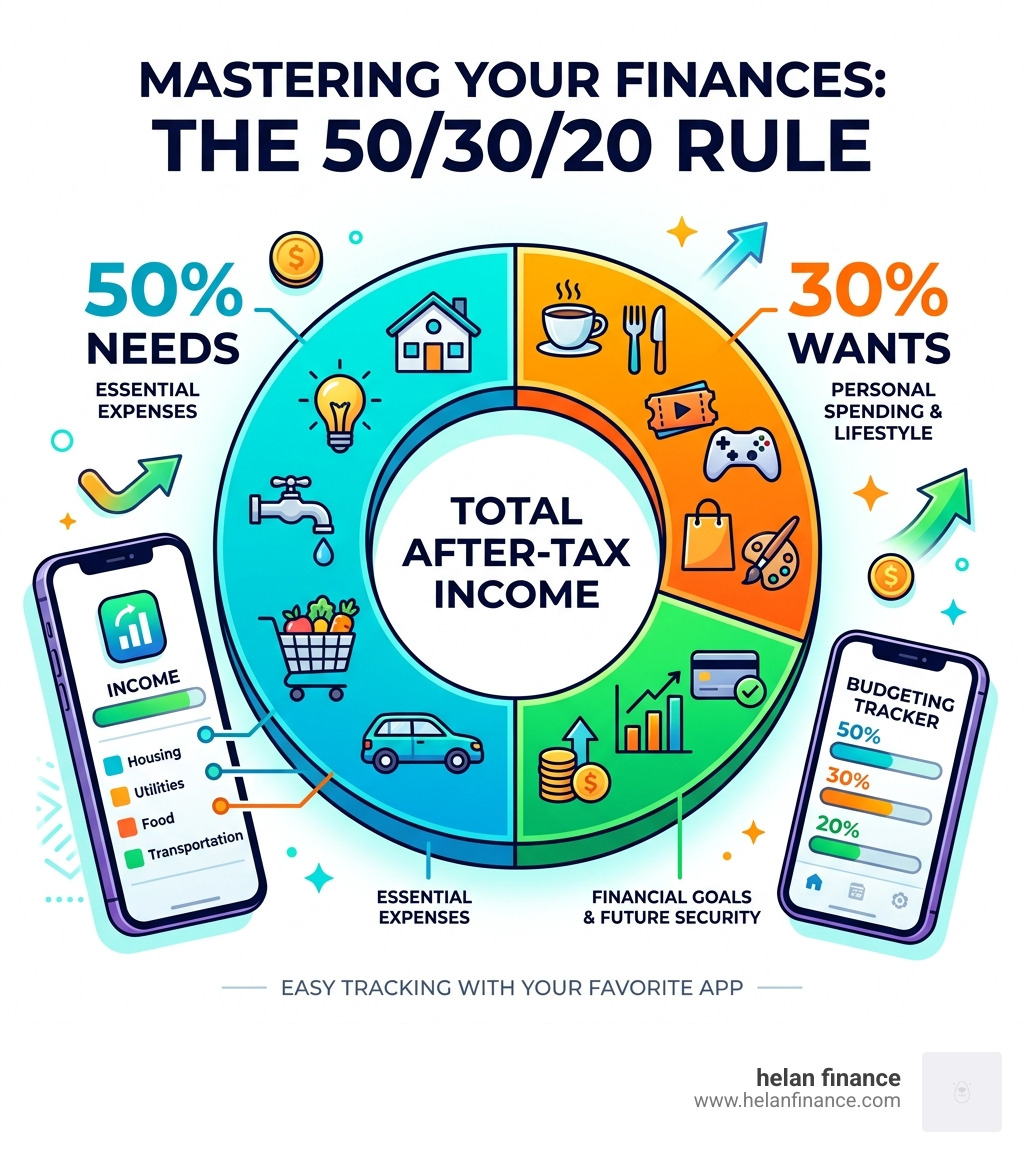
Choosing the Right App to Manage Income and Expenses
When we look for a way to organize our finances, we are often met with a fork in the road: do we want the app to do the work for us, or do we want to stay “hands-on”? This is the classic debate between bank-syncing and manual entry.

Bank-syncing apps connect directly to your financial institutions—some services support over 17,000 different banks—to pull in your transactions automatically. This is perfect if you are busy and want a “set it and forget it” overview of your net worth. On the other hand, manual entry apps require you to log every coffee and bill yourself. While it sounds like more work, many users find it creates a much stronger psychological connection to their spending habits.
Essential Features of Modern Expense Trackers
To be truly effective in 2026, an app to manage income and expenses should offer more than just a list of numbers. We look for:
- Visual Analytics: Charts and graphs that show you at a glance if you’re spending more on dining out than on your mortgage.
- Customization: The ability to create your own categories (like “Hobby: Succulents” or “Emergency Pizza Fund”).
- Reliability: High ratings and a large user base are key indicators. For example, leading manual trackers have over 10 million downloads and a 4.6-star rating, while top-rated beginner tools boast a 4.9-star rating from hundreds of thousands of reviews.
| Feature | Manual Entry Apps | Automatic Bank Sync Apps |
|---|---|---|
| Effort Level | High (Every transaction) | Low (Automatic updates) |
| Privacy | High (No bank links) | Moderate (Encrypted links) |
| Accuracy | Human-dependent | Very High (Direct from bank) |
| Awareness | High (You feel every dollar) | Moderate (Easy to ignore) |
Privacy and Security in Financial Data
We understand that nothing is more sensitive than your financial data. Most top-tier apps now use bank-level encryption and “read-only” access. This means that even if someone were to somehow access your app, they couldn’t actually move your money; they could only see the data. Multi-factor authentication (MFA) and biometric locks (like TouchID or FaceID) are now standard security protocols that we should all insist on.
Cross-Platform Syncing and Family Sharing
If you’re managing a household, you aren’t doing it alone. Certain platforms have been recognized by major financial publications as the best for couples and families because they allow for easy collaboration. Whether you are on an Android phone, an iPad, or sitting at your laptop, your data should sync seamlessly. This ensures that if one partner spends $50 on groceries, the other partner sees the updated “Grocery” budget instantly.
Budgeting Methodologies: From Envelopes to Zero-Based Systems
Not all apps use the same logic. Choosing the right app to manage income and expenses often means choosing a philosophy.
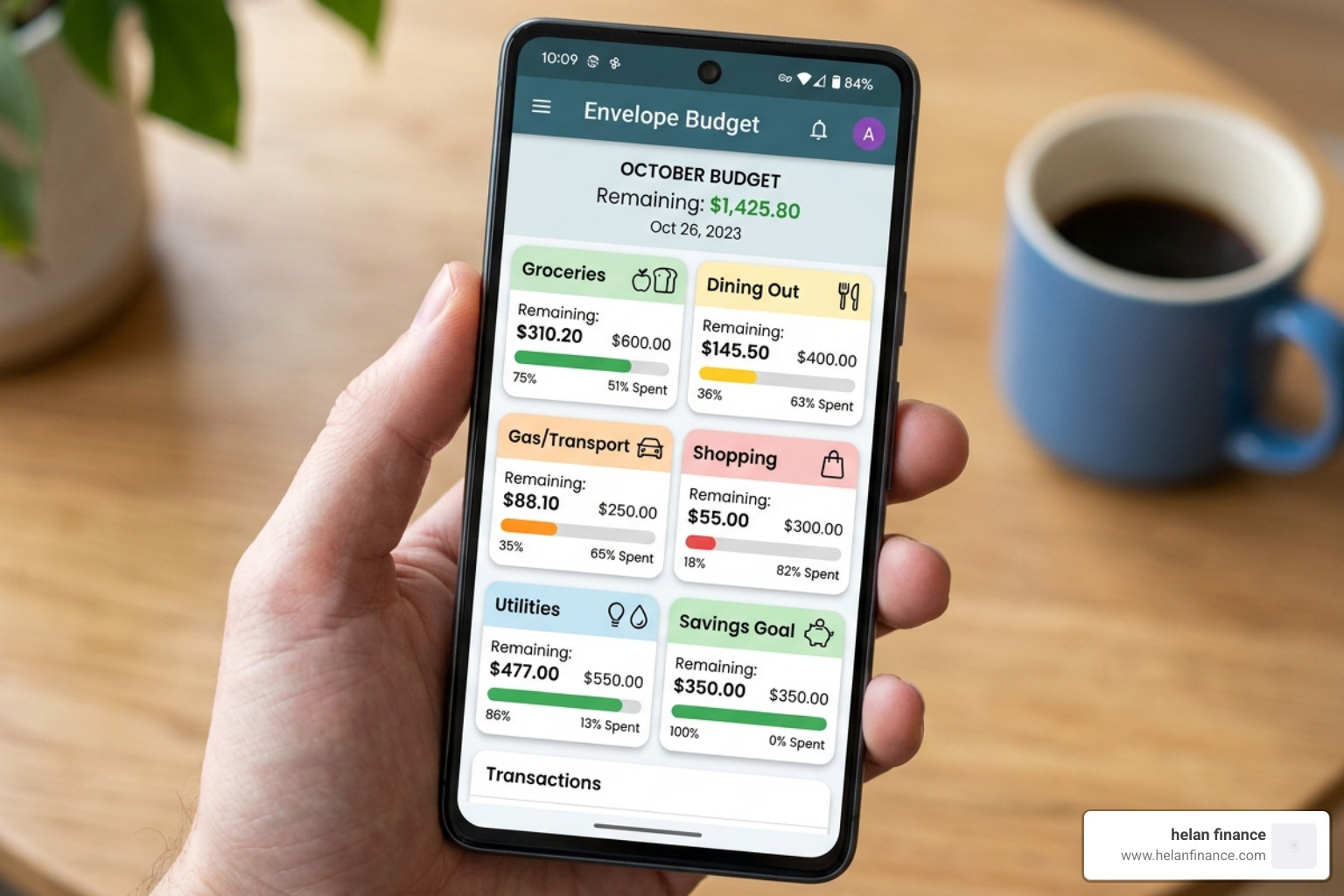
How an App to Manage Income and Expenses Uses Digital Envelopes
The “envelope system” is a time-tested method our grandparents used with actual paper envelopes and cash. When the “Gas” envelope was empty, you stopped driving! Modern digital tools have virtualized this. You “fill” your digital envelopes at the start of the month, and as you spend, the balance drops. Benefits of Envelope Budgeting:
- Prevents Overspending: You can’t spend money you haven’t allocated.
- Rollover Funds: If you have $20 left in “Dining Out,” it rolls over to next month.
- Proactive Planning: It focuses on what you will spend, not just what you already spent.
Zero-Based Budgeting vs. Personalized Spending Plans
Then there is the “Zero-Based” strategy, popularized by various budgeting platforms. The goal here is to “give every dollar a job.” If you have $1,000 in your bank account, you must assign all $1,000 to categories (rent, savings, groceries) until you have $0 left to assign. This doesn’t mean you have $0 in your bank; it means you have a plan for every cent.
For those who find that too rigid, some services offer a more flexible “Personalized Spending Plan.” It looks at your recurring bills and income to tell you exactly how much “spending money” you have left in real-time.
Best App to Manage Income and Expenses for Beginners
If you are just starting, you don’t need a complex financial suite; you need something that makes you want to keep tracking.
Simplest App to Manage Income and Expenses for New Users
For sheer ease of use, we often recommend one-click entry apps. These tools are famous for their simplicity: you open the app, hit a category like “Coffee,” enter the amount, and you’re done. There are no complex menus to navigate. Similarly, certain community-favorite apps are highly praised in community circles for their ability to group categories under common budgets without unnecessary bells and whistles.
At Página Inicial, we believe that financial clarity starts with these small, consistent habits. The simpler the tool, the more likely you are to stick with it.
Finding a Free App to Manage Income and Expenses without Ads
Many of us are tired of being sold to while trying to save money. If you want an ad-free experience without a hefty subscription, look toward open-source or community-supported tools. These apps often prioritize local data storage, meaning your information stays on your phone rather than a corporate server, providing a high level of privacy for the security-conscious user.
Advanced Features: Debt Tracking, Bills, and Business Tools
Once you’ve mastered the basics, you might want your app to manage income and expenses to do some heavy lifting regarding your future.
Business-Oriented Features for Personal Users
If you are a freelancer or run a small side hustle, professional-grade financial suites are invaluable. They allow you to:
- Scan Receipts: Snap a photo and let AI categorize the expense for tax time.
- Send Invoices: Manage your income and professional billing in the same place you track your groceries.
- Track Deductibles: Automatically flag transactions that could lower your tax bill.
Advanced Financial Features Include:
- Debt Forecasting: Seeing exactly when you will be debt-free based on your current payments.
- Bill Reminders: Notifications that ensure you never pay a late fee again.
- Multi-Currency Support: Essential for travelers or those managing accounts in different countries.
Managing Savings Goals and Debt Repayment
The best apps help you visualize the “light at the end of the tunnel.” Whether it’s a “Vacation Fund” that shows your progress toward a beach trip or a debt payoff tool that uses the “snowball” or “avalanche” method, seeing those progress bars move is a huge psychological win. Leading financial platforms, for example, have been used by over 20 million people to gain this kind of control over their long-term goals.
Pricing Models and Value Comparison
In 2026, you generally get what you pay for, but there are bargains to be found.
- Free Versions: Many popular tracking apps offer robust free tiers, though they may limit the number of “envelopes” or “wallets” you can use.
- Monthly/Annual Subscriptions: Most bank-syncing apps charge a fee, usually ranging from $5 to $15 a month. This covers the cost of the secure bank connections and constant feature updates.
- Lifetime Licenses: Some apps offer a one-time “lifetime” purchase (around $5.49 in some regions), which is incredible value for those who hate recurring subscriptions.
To learn more about our philosophy on value and financial health, visit our Sobre Nós page.
Frequently Asked Questions about Income and Expense Apps
How accurate are automatic categorization and transaction imports?
Modern apps are surprisingly accurate, often getting the category right about 80-90% of the time. However, they aren’t perfect. If you shop at a “Big Box” store, the app might not know if you bought groceries (a necessity) or a new TV (a luxury). Most high-end apps now allow for “transaction splitting” to solve this, and AI-powered tools learn from your manual corrections over time.
What are the best alternatives for users avoiding bank account connections?
If you prefer to keep your bank and your apps separate, manual entry is your best friend. Look for apps that support CSV or Excel exports. This way, you can track everything on your phone for daily use but still export the data to a spreadsheet once a month for a deeper dive. Offline-focused apps excel in this “offline” environment.
Are there completely free, ad-free options for basic expense tracking?
Yes. Open-source apps are community-driven and typically contain no ads or tracking. They offer a minimalist, clean experience for those who just want to log their spending and see a simple pie chart of where the money went.
Conclusion
Finding the right app to manage income and expenses isn’t about finding the “best” app on the market—it’s about finding the best app for your brain. If you love details, a zero-based budget will feel like a game. If you’re stressed and busy, a one-click tracker will be a lifesaver.
At Helan Finance, we believe that the tool is only half the battle. The other half is the routine. By choosing a tracker that fits your lifestyle, you’re not just watching numbers; you’re building healthy money habits that lead to lasting financial peace.
Ready to start your journey? Explore our simplified planning tools and advice at Helan Finance.

