
10 Tips and Tricks to Master Money Saving
Why Smart Money Tips Can Change Your Financial Life
Money tips are practical strategies that help you spend less, save more, and build a stable financial future — even on a busy schedule.
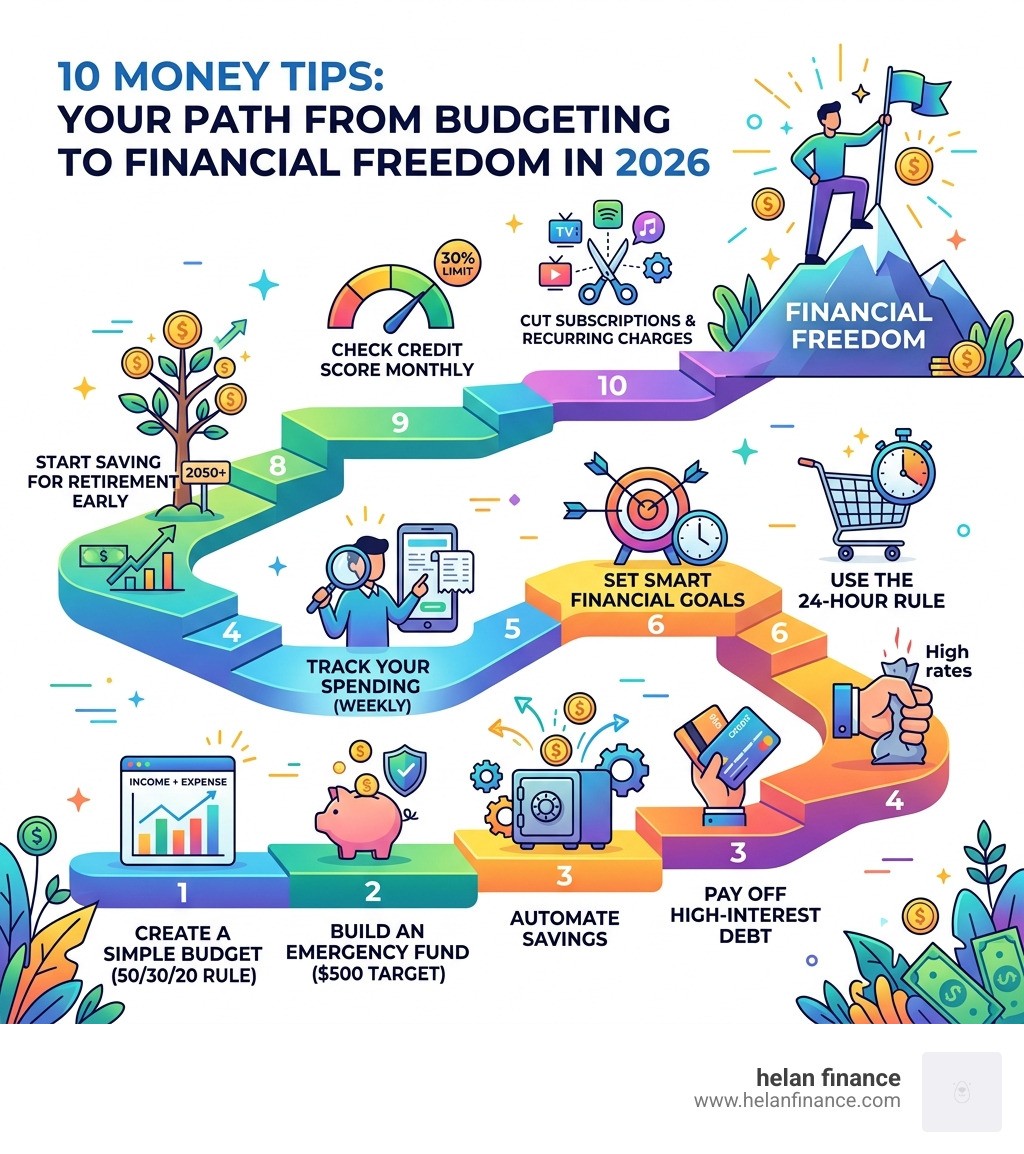
Here are the most effective money tips to get started right now:
- Create a simple budget using the 50/30/20 rule: 50% needs, 30% wants, 20% savings and debt
- Build an emergency fund starting with just $500 as your first target
- Automate your savings so money moves before you can spend it
- Pay off high-interest debt first — Americans carry over $1.2 trillion in credit card debt at rates above 25%
- Track your spending weekly to spot where money quietly disappears
- Set SMART financial goals with specific amounts and deadlines
- Use the 24-hour rule before any non-essential purchase
- Start saving for retirement early — starting at 25 vs. 35 can mean a six-figure difference by retirement
- Check your credit score monthly and keep card usage below 30% of your limit
- Cut subscriptions and recurring charges you’ve forgotten about
Here’s a hard truth: only 49% of U.S. adults can answer basic money questions correctly. And less than half of Americans could cover a $1,000 emergency from savings alone.
That’s not a judgment — it’s a gap in financial education that affects almost everyone.
The good news? You don’t need to be a finance expert to turn things around. Small, consistent habits — done regularly — build real financial stability over time.
This guide breaks down 10 practical, no-fluff money tips designed for people with full schedules and real financial pressures. No jargon. No perfection required.
Master the Basics: Budgeting and Tracking with Money Tips
At its heart, a budget is just a plan for your money. It’s not a “jail sentence” for your wallet; rather, it’s a compass that guides you toward the things you actually want to achieve. In April 2026, we have more tools than ever to make this process painless, but the fundamentals remain the same.
To start, we need to gather our documents—pay stubs, bank statements, and utility bills. We calculate our total monthly income and then list every single expense. If the math shows you’re spending more than you make, don’t panic. This is simply the data we need to make adjustments.
There are two popular frameworks we often recommend for organizing these numbers:
| Feature | 50/30/20 Rule | 60/30/10+15 Guideline |
|---|---|---|
| Essentials (Needs) | 50% | 60% |
| Lifestyle (Wants) | 30% | 30% |
| Savings & Debt | 20% | 10% (Short-term) |
| Retirement | Included in 20% | 15% (Pre-tax) |
The 50/30/20 rule is fantastic for beginners because of its simplicity. You put half your income toward needs (rent, groceries, utilities), 30% toward things you want (dining out, hobbies), and 20% toward savings and paying off debt. However, some prefer the 60/30/10+15 guideline, which separates short-term savings from long-term retirement goals.
If you want to get even more granular, you might try zero-based budgeting. This is where every single dollar is assigned a specific job—whether that’s paying for insurance or going into a vacation fund—until you have $0 left over at the end of your planning session.
Effective tracking is the secret sauce here. Whether you use a spreadsheet or a dedicated app, monitoring your cash flow daily or weekly helps you identify “spending leaks.” You might find you’re spending $100 a month on streaming services you haven’t watched since 2024! For more in-depth guidance on these frameworks, check out How to Manage Your Money in 2026 | ConsumerAffairs® .
Build Your Safety Net: Emergency Funds and Automation
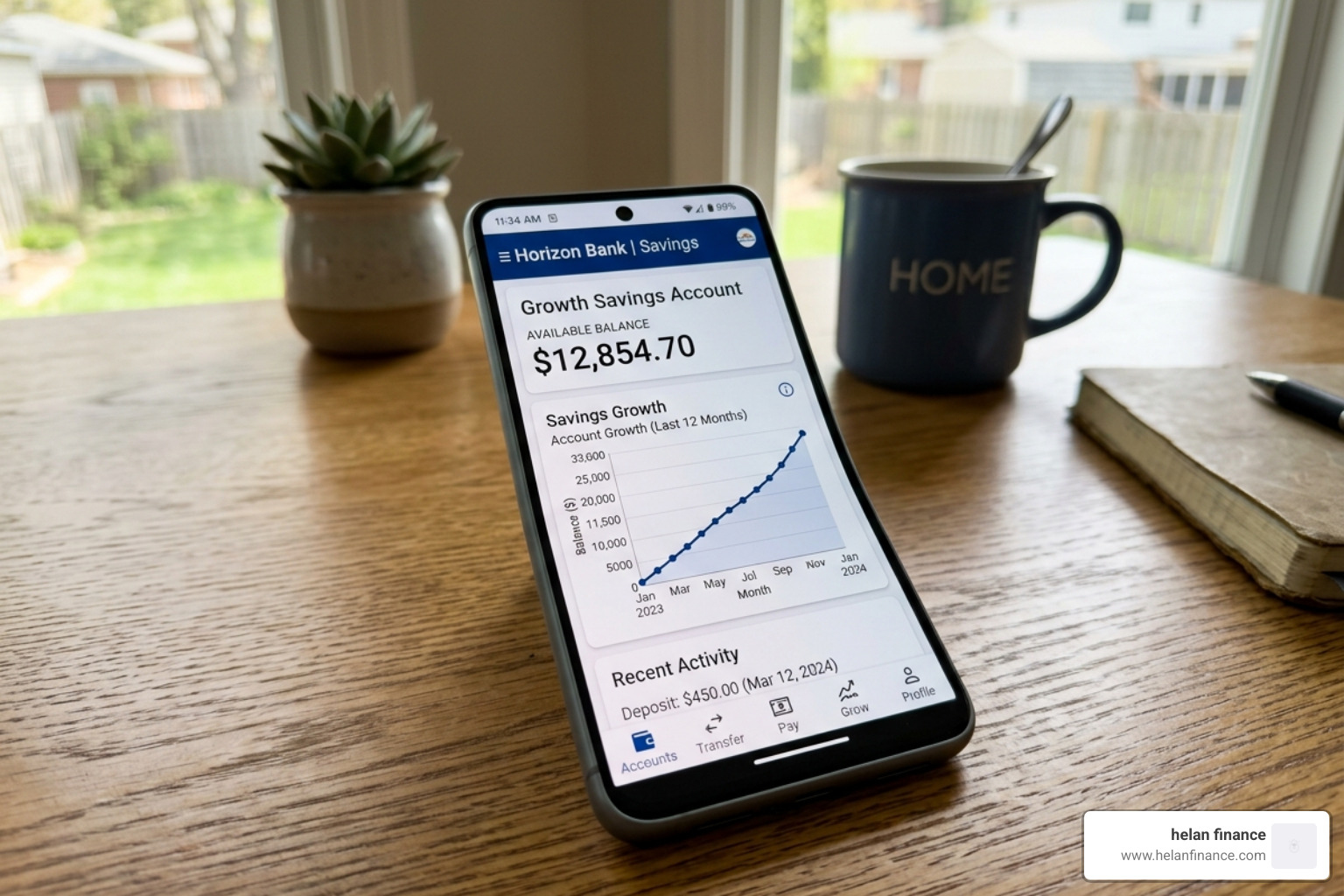
Life has a way of throwing curveballs. A car breakdown, a sudden medical bill, or an unexpected home repair can easily derail your financial progress if you don’t have a cushion. This is why building an emergency fund is our top priority after covering basic needs.
We suggest starting with a “starter fund” of $500 to $1,000. While the ultimate goal is to have 3 to 6 months of essential living expenses tucked away, that large number can feel overwhelming. By focusing on a smaller, attainable goal first, you gain a psychological boost that keeps you motivated.
Keep this money in a liquid account—meaning you can access it quickly—but keep it separate from your everyday checking account so you aren’t tempted to spend it. High-yield savings accounts are excellent for this, as they often offer interest rates 10 to 15 times higher than the national average, helping your money grow while it sits.
Automating Your Money Tips for Consistency
The biggest enemy of saving is “decision fatigue.” If you have to manually decide to save money every time you get paid, eventually, you’ll have a bad day and decide to spend it instead.
“Paying yourself first” is the most effective way to bypass this. Set up an automatic transfer from your checking account to your savings account to trigger immediately after your paycheck hits. When the money moves before you even see it, you learn to live on the remainder without feeling deprived. It turns saving from an emotional choice into a default setting.
Smart Spending: Practical Hacks for Daily Life
Saving money isn’t just about what you put in the bank; it’s about being intentional with what leaves your wallet. We love using “cooling-off” periods to stop impulse buys. The 24-hour rule is great for small items: if you see something you want, wait one full day before buying it. For larger, out-of-budget purchases, try the 7-day rule. Often, the “need” for that new gadget disappears once the initial excitement fades.
Here are a few more practical money tips for your daily routine:
- Bulk Buying: Stock up on non-perishables like toilet paper, toothpaste, and laundry detergent. It reduces the per-unit cost and prevents those “emergency” trips to the store where you end up buying five extra items.
- Generic Brands: Most store-brand medications and pantry staples have the exact same ingredients as name brands but cost 20% to 40% less.
- Subscription Audit: We often sign up for “free trials” and forget to cancel. Review your credit card statement once a month and prune any services you aren’t actively using.
- Grocery Lists: Never shop hungry and never shop without a list. Going into a grocery store without a plan is a recipe for overspending on duplicates of things you already have at home.
For a deeper dive into these lifestyle adjustments, the 15 Personal Finance Tips to Help Manage Your Money – Intuit Blog offers excellent habit-building advice.
Debt and Credit: Strategies for Financial Freedom

Debt can feel like a heavy weight, especially with Americans collectively owing more than $1.2 trillion on credit cards. With interest rates often soaring above 25%, high-interest debt is a financial emergency.
To tackle this, we recommend two main strategies:
- Debt Snowball: You pay off the smallest balances first. This gives you quick “wins” and builds momentum.
- Debt Avalanche: You focus all extra payments on the debt with the highest interest rate. This saves you the most money in the long run.
While you’re paying down debt, keep an eye on your credit score. This number is vital because it determines the interest rates you’ll pay on future loans, like a mortgage. A low credit score can increase the cost of a standard auto loan by more than $5,000 over five years!
To keep your score healthy, always pay your bills on time and keep your credit utilization—the amount of your total credit limit you’re actually using—below 30%. If you want to learn more about our philosophy on financial health, visit our Sobre Nós page.
Long-Term Wealth: Retirement and Goal Setting
The “miracle” of compound interest is that it allows your money to make money. This is why starting early is so critical. If you contribute $500 a month starting at age 25, you could end up with a six-figure advantage over someone who starts at age 35.
If your employer offers a 401(k) match, take it! That is essentially a 100% return on your investment—free money that you shouldn’t leave on the table. Aim to put 15% of your income toward retirement. If that feels impossible right now, start with 3% and inch it up by 1% every time you get a raise or a bonus.
Setting SMART Money Tips for Long-Term Success
Vague goals like “I want to save money” usually fail. Instead, we use the SMART framework:
- Specific: “I want to save for a house down payment.”
- Measurable: “I need $20,000.”
- Achievable: “I can save $400 a month.”
- Relevant: “Buying a home will provide stability for my family.”
- Time-bound: “I will reach this goal in 50 months.”
By breaking a big dream into small, time-bound steps, you turn an “impossible” task into a simple monthly routine.
Frequently Asked Questions about Money Saving
How do I build an emergency fund starting from zero?
The best way is to start small and automate. Even $25 per paycheck adds up. Look for a “windfall” like a tax refund or a bonus to jumpstart the fund. Use “snack-size” money hacks—like brown-bagging your lunch twice a week—to find that extra cash. Once you hit your first $500, the momentum will make reaching the next $500 much easier.
What is the 50/30/20 budgeting rule and how does it work?
It is a simple ratio for your after-tax income. 50% goes to “Needs” (housing, utilities, basic groceries), 30% goes to “Wants” (hobbies, dining out, streaming), and 20% goes to “Financial Goals” (savings and debt repayment). It’s a great way to ensure you are covering your future while still enjoying your present life.
How can I improve my credit score to save money on loans?
The most impactful steps are paying every bill on time and lowering your credit card balances. Try to keep your utilization under 30%. You can also check your credit report for free once a year to ensure there are no errors dragging your score down. Some services even allow you to report on-time rent payments to help boost your score if you don’t have a long credit history.
Conclusion
Mastering money tips isn’t about deprivation; it’s about empowerment. It’s about making sure that your hard-earned cash is going toward the things that truly matter to you, rather than disappearing into forgotten subscriptions or high-interest charges.
At Helan Finance, we believe that financial planning should be easy and efficient. By using simplified tools, routines, and these practical tips, you can take control of your financial well-being starting today. Whether you are building your first $500 safety net or planning for a comfortable retirement in the decades to come, the steps remain the same: track, plan, automate, and grow.
Ready to take the next step in your financial journey? Learn more about our mission and tools at Helan Finance. Let’s make 2026 the year you master your money.
MoneyTips – Making Your Financial Life Make Cents 10 Tips For Money Management & Building Personal Wealth Termos de Uso Política de Privacidade Contate Nos

