Bill Payment Options: Everything You Need to Know
Why Bill Payment Methods Matter More Than Ever in 2026
Bill payment has never been simpler — here are the most common ways to pay your bills today:
| Method | How It Works | Processing Time |
|---|---|---|
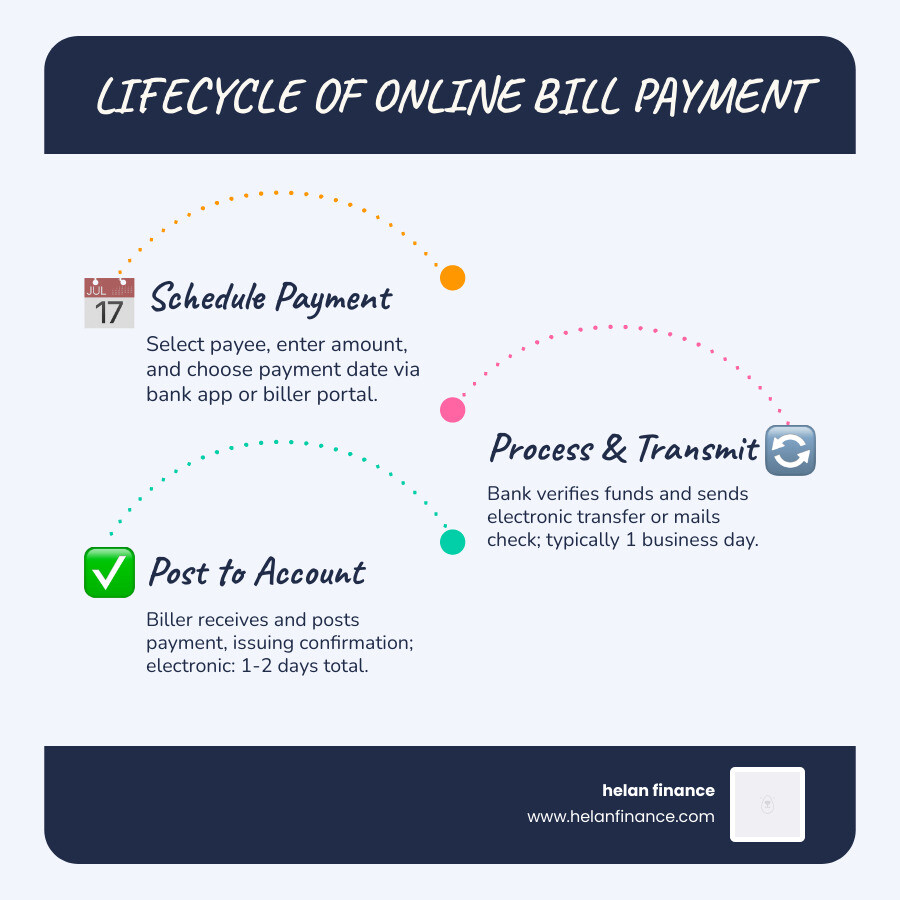
| Bank online bill pay | Pay through your bank’s app or website | 1-2 business days (electronic) |
| Direct biller portal | Pay on the biller’s own website | Same day to 2 business days |
| Digital wallet | Use PayPal, Venmo, Apple Pay, Google Pay | Same day (fees may apply) |
| Auto-pay | Bank or biller deducts automatically | Scheduled date |
| Phone payment | Call biller’s payment line | Same day to 1 business day |
| In-person / cash | Pay at Walmart, CVS, or payment centers | Same day for many billers |
| Mail (check/money order) | Send payment by post | 5-7 business days |
Between utilities, subscriptions, loans, and credit cards, the average household juggles dozens of bills every month. Missing even one can mean late fees, service interruptions, or worse — a hit to your credit score.
The good news? There are more bill payment options available today than ever before. Banks like Chase, Bank of America, and Citi offer free online bill pay. Utility companies like LADWP and SCE have their own portals. And services like MoneyGram let you pay with cash at over 13,000 billers — no bank account needed.
Whether you’re a busy professional trying to automate everything or someone who prefers paying in person, this guide covers every option so you can find what works best for your life.
Common Methods for Online Bill Payment
As we navigate through April 2026, the landscape of bill payment has shifted almost entirely toward digital-first solutions. The days of hunting for a stamp and an envelope are largely behind us, replaced by sleek interfaces and one-tap confirmations.
Direct-to-Biller Portals
Most major companies, from AT&T to local utilities like Southern California Edison (SCE), offer their own dedicated portals. These are often the fastest way to ensure your money reaches the company. Many of these portals now allow for “Guest Checkout,” where you can make a quick bill payment using just your account number and ZIP code without even logging in.
Mobile Banking Apps and Digital Wallets
Your smartphone is now a powerful financial command center. Most major banks offer integrated bill payment services within their apps. Beyond traditional banking, digital wallets like PayPal, Venmo, Google Pay, and Apple Pay have become mainstream. For instance, utilities like SCE now accept these wallets, though it’s important to note that third-party processors might charge a convenience fee for these transactions.
One-Time Payments vs. Payment Arrangements
Sometimes, life throws a curveball. While one-time payments are the standard for monthly dues, many billers now offer “payment arrangements” directly through their online portals. If you’re facing a temporary hardship, companies often allow you to schedule a late payment or split a large bill into smaller installments to avoid service disconnection.
Business-Oriented AP Automation
For the entrepreneurs and small business owners among us, bill payment isn’t just about personal utilities; it’s about accounts payable (AP). Modern platforms are revolutionizing this space by automating financial operations.
- Over 500,000 businesses now use automated platforms to handle their payables.
- These systems save users an average of 12 hours per month.
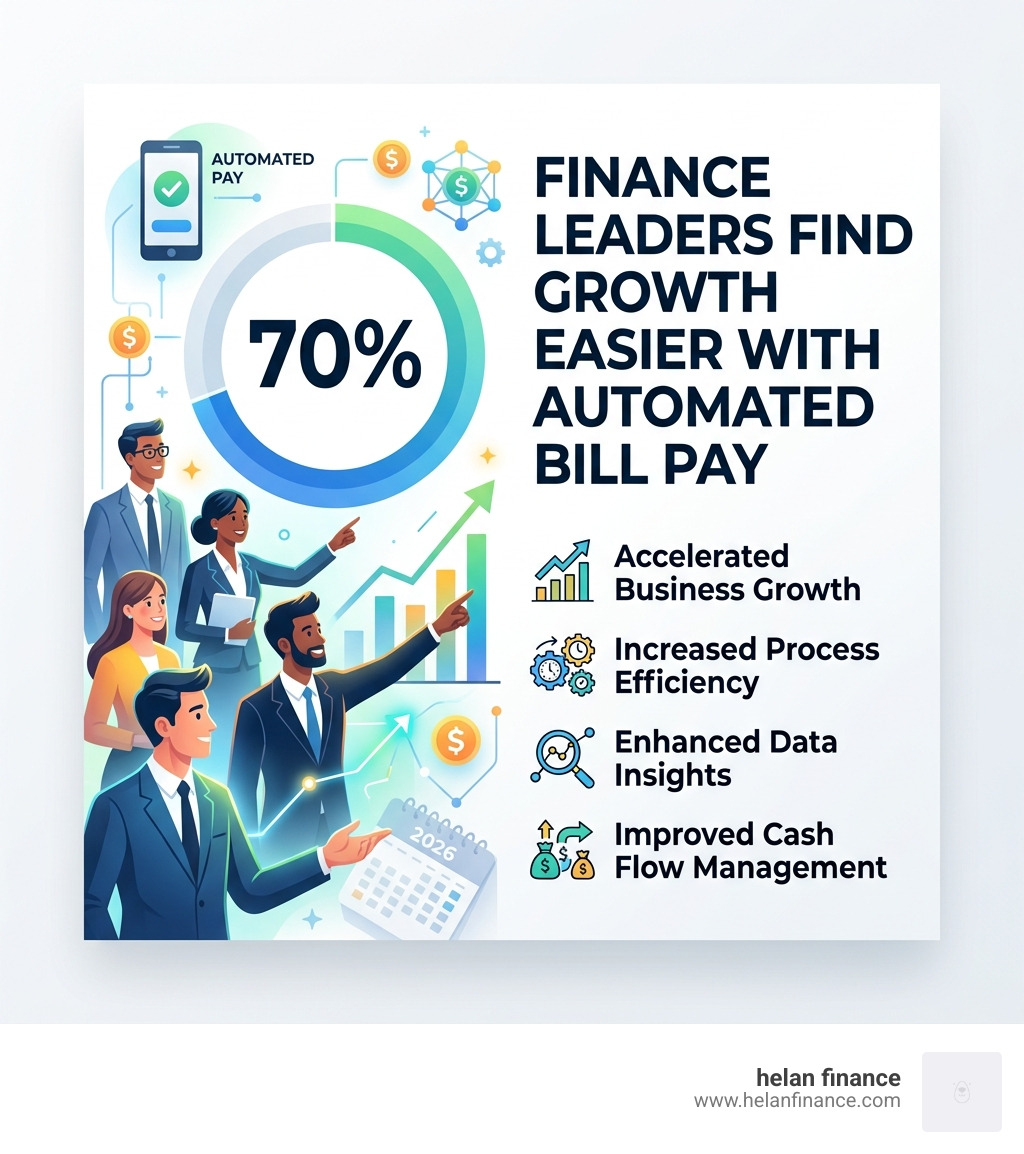
- Finance leaders report that automation makes company growth 70% easier to manage.
- By streamlining workflows, businesses can see up to a 90% increase in payment processing speed.
Features of Modern Bank-Led Bill Payment Services
If you prefer a centralized “one-stop-shop,” look no further than your primary bank. Institutions like Chase, Bank of America, and Citibank provide robust bill payment dashboards for free.

Centralized Payee Management
Instead of logging into ten different websites, you can add all your “payees” to your bank’s dashboard. Whether it’s your landlord, your gym, or a local landscaper, you can send money to anyone in the U.S. from one screen. Banks often pre-load major billers, making setup as simple as searching for a name and entering your account number.
Payment Guarantees and Security
One of the biggest perks of using a major bank is the bill payment guarantee. Services like those offered by Wells Fargo and Chase guarantee that your payment will arrive on the scheduled date, provided you have sufficient funds. If the bank makes a mistake and the payment is late, they will often cover any resulting late fees.
Security is equally tight. Modern services utilize:
- Multi-factor authentication (MFA): Ensuring only you can authorize a transfer.
- Encryption: Protecting your data from prying eyes.
- Fraud Monitoring: Alerting you to suspicious activity in real-time.
Benefits of eBills for Bill Payment
An eBill is an electronic version of the paper statement you used to get in the mail. By enrolling in eBills through your bank, you can view your full statement details—including balance, due date, and usage history—right inside your banking app.
- Environmental Impact: Going paperless saves trees and reduces clutter.
- Incentives: Some utilities, like LADWP, offer one-time credits (e.g., $10) just for switching to paperless billing.
- Automation: You can set your bank to automatically pay the “amount due” on an eBill, even if that amount changes every month.
Differences Between One-Time and Recurring Bill Payment
We always recommend understanding the tool you’re using.
- Manual One-Time Payments: Best for variable bills or when you want to review the charge before the money leaves your account.
- Recurring Payments: Perfect for fixed costs like rent or flat-rate subscriptions. This ensures you never forget a due date.
- Variable Auto-Pay: Enabled through eBills, this handles bills like electricity that fluctuate, ensuring the exact amount is paid on time without your intervention.
Specialized Options for Utilities and Cash Users
Utility companies often provide the most flexible bill payment options because they are essential services.
Assistance and Incentives
If you are struggling to keep up, don’t wait for a shutoff notice. Utilities like LADWP offer:
- Level Pay Plans: These average your yearly usage into predictable monthly payments, helping you budget.
- Low-Income/Senior Discounts: Reduced rates for qualified customers.
- Auto-Pay Rewards: Enrollment credits (sometimes up to $15) for setting up automatic deductions from a checking account.
How to Handle Bill Payment Without a Bank Account
Not everyone wants or has a traditional bank account, and that shouldn’t stop you from staying current on your bills. MoneyGram provides a massive network for cash users, with access to over 13,000 billers. You can walk into thousands of retail locations like Walmart or CVS and pay your utilities, mortgage, or auto loan with cash. Many of these payments post the same day, which is a lifesaver if you’re right up against a deadline.
Security Features in Modern Bill Payment
Whether you are paying via a bank app or a retail location, your data is protected by high-level privacy protocols. For more on how we value your data safety, you can view our Privacy Policy. Most services now use “secure tokens,” meaning your actual bank account number is never shared directly with the biller, adding an extra layer of protection against identity theft.
Frequently Asked Questions
How long does it take for a payment to reach the biller?
This depends entirely on how the biller accepts the money.
- Electronic Delivery: Usually takes 1 to 2 business days.
- Paper Check: If your bank has to mail a physical check (common for small businesses or individuals), it can take 5 to 7 business days.
- Pro Tip: Always schedule your bill payment at least 5 business days before the due date to account for processing windows and “cutoff times” (usually mid-afternoon).
Are there fees associated with online bill payment services?
For most consumers, bill payment through a major bank like U.S. Bank or Citi is completely free. However, you might encounter fees in these scenarios:
- Convenience Fees: Charged by third-party processors when you use a credit card or digital wallet on a utility site.
- Expedited Payments: Some billers charge a fee for “instant” or “same-day” processing.
- Returned Payments: If you don’t have enough money in your account, both your bank and the biller may charge a fee.
What should I do if I cannot pay my bill on time?
First, don’t panic. Second, don’t ignore it.
- Contact the Biller: Most companies would rather set up a payment arrangement than go through the hassle of a collection process.
- Look for Assistance: Check for state-funded programs or non-profit assistance, especially for heating and water bills.
- Prioritize: If you must choose, prioritize “secured” debts (like your car or home) and essential utilities.
Conclusion
Mastering your bill payment routine is a cornerstone of financial wellness. By leveraging the tools available in 2026—from eBills and bank guarantees to automated AP platforms—you can transform a stressful monthly chore into a seamless, five-minute task.
At Helan Finance, we believe that financial planning should be easy and efficient. Our mission is to provide you with the simplified tools, routines, and advice you need to thrive in the personal finance industry. Whether you’re looking for health tips for your wallet or daily routines to keep your credit score high, we are here to help.
Ready to take the next step in your financial journey?
- Review our Terms of Use to understand our service standards.
- If you have specific questions about managing your budget, Contact Us.
- Start your simplified financial journey today with Helan Finance and let us help you turn your financial goals into a reality.