
Finding the Best Weekly Budget Planner for Your Pay Cycle
The Best Weekly Budget Planners Compared (April 2026)
The best weekly budget planner options available right now include:
| Planner Type | Best For | Cost |
|---|---|---|
| Budgeting App | Automated tracking, couples, goal saving | Free / from $6.99/mo |
| Physical Planner | Hands-on, tactile, no-tech approach | $15–$50 one-time |
| Spreadsheet (Excel / Google Sheets) | Full control, zero cost | Free |
| Envelope-Method App | Category-based, shared budgeting | Free / paid |
If you’re short on time, a dedicated weekly budgeting app is the standout pick for most busy people — it automates the hard parts and tells you exactly how much you can safely spend each week.
Most people budget by the month. But here’s the problem: a month is a long time to lose track of your money.
By the time you notice you’ve overspent on groceries or subscriptions, the damage is already done. Weekly budgeting fixes this by giving you a shorter, more manageable window to stay on track.
One user put it simply: after years of trying monthly budgets, they kept missing things and falling off track. Switching to a weekly system changed that.
Whether you prefer a pen-and-paper planner, a free spreadsheet, or an app that syncs with your bank automatically — there’s a weekly budget planner that fits how you actually live and get paid.
This guide breaks down your best options so you can pick the one you’ll actually stick with.
Why Weekly Budgeting is Effective for 2026
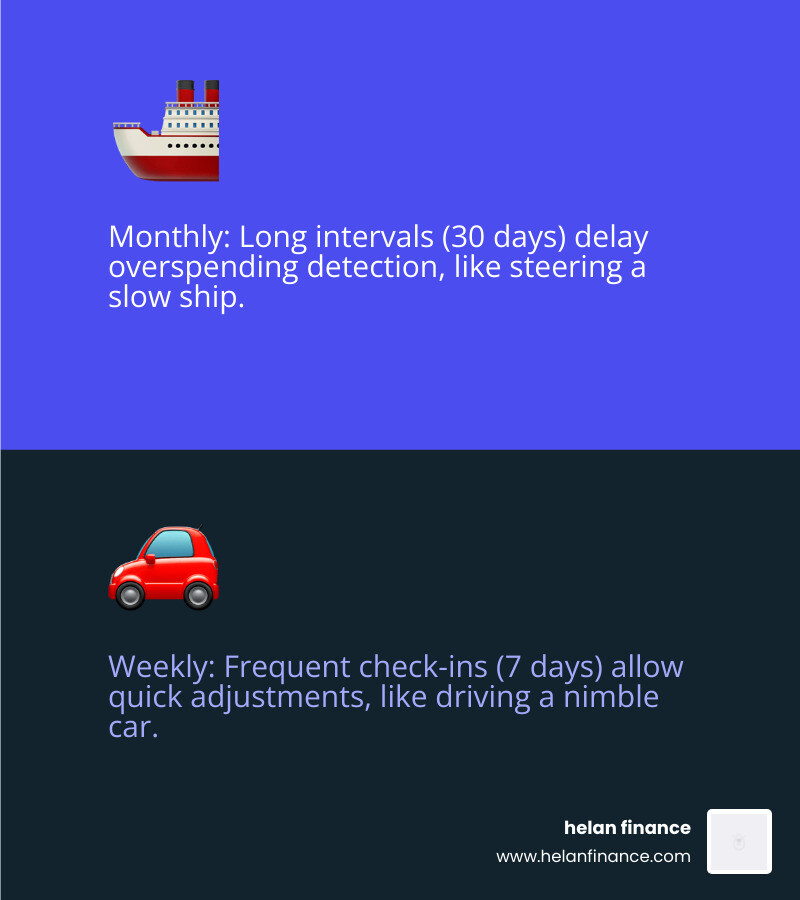
As we move through 2026, the financial landscape is faster than ever. Monthly budgeting often feels like trying to steer a massive ship; by the time you realize you’re off course, you’ve already hit an iceberg of overspending. Weekly budgeting, however, is like driving a nimble car. You can make quick adjustments every seven days.
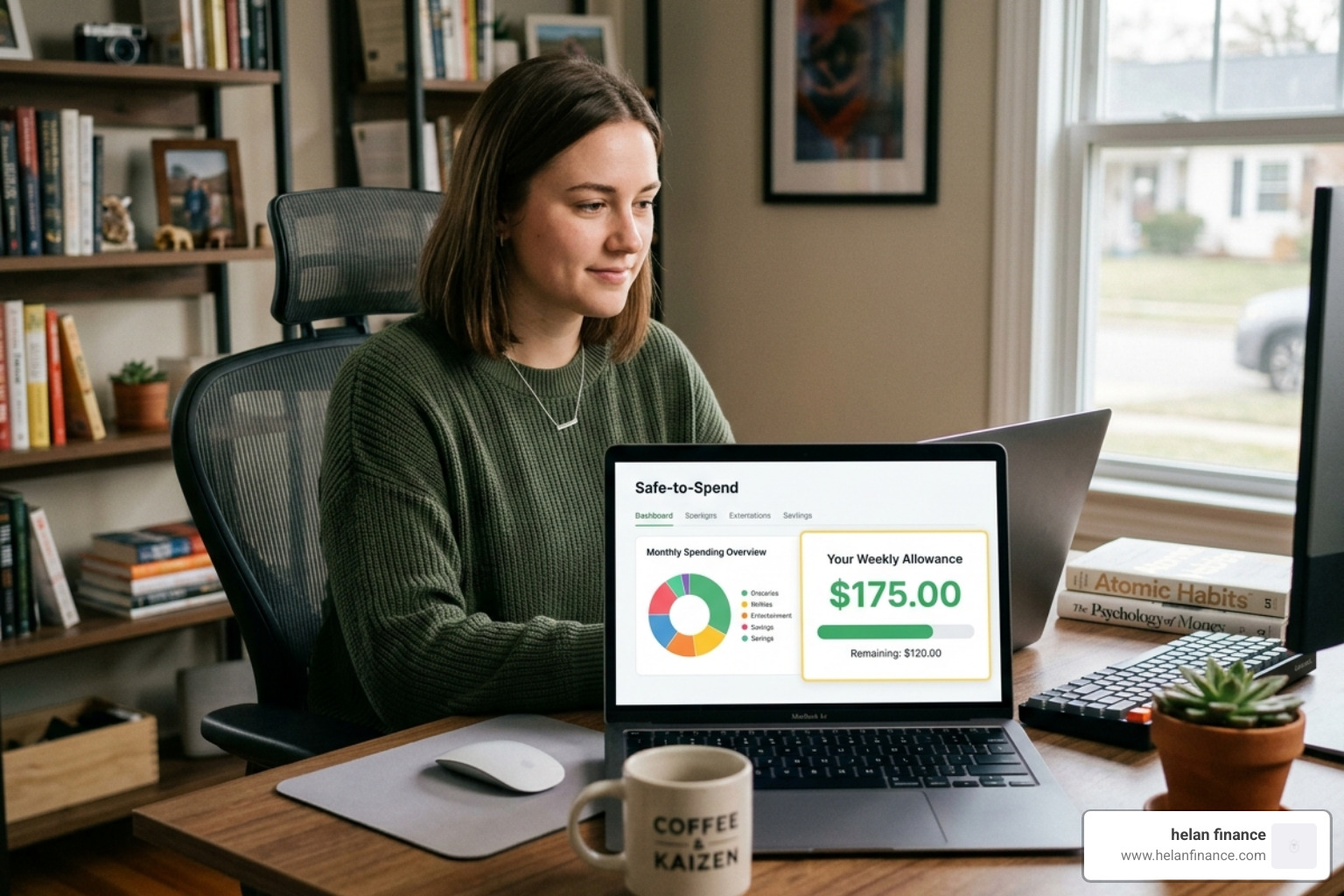
The core of this effectiveness lies in the “Safe-to-Spend” concept. Instead of looking at a large monthly lump sum and guessing if you can afford that Friday night dinner, a weekly system calculates exactly what is left over after your bills and savings goals are met. It provides immediate financial clarity.
Statistics show that this isn’t just a trend; it’s a proven method for financial health. Research into weekly budgeting apps reveals that 94% of users report improved finances after just two weeks of use. Furthermore, 90% of those who use a weekly system to save actually reach their goals, with most people tucking away between $50 and $250 every single month.
Psychologically, weekly budgeting creates a high level of accountability. When you have to account for your spending every few days, you become more mindful of those “variable” expenses – like the mid-week coffee run or the impulsive online purchase – that usually wreck a monthly budget.
For readers who want a broader overview of budgeting basics, the concept is closely related to personal budgeting, where shorter review cycles can make spending decisions easier to manage in real time.
Choosing the Best Weekly Budget Planner: Physical vs. Digital
When searching for the best weekly budget planner, the first major fork in the road is deciding between a physical notebook and a digital app. Both have dedicated fanbases, and the “best” choice depends entirely on your personality.
Physical Planners: The Tactile Experience
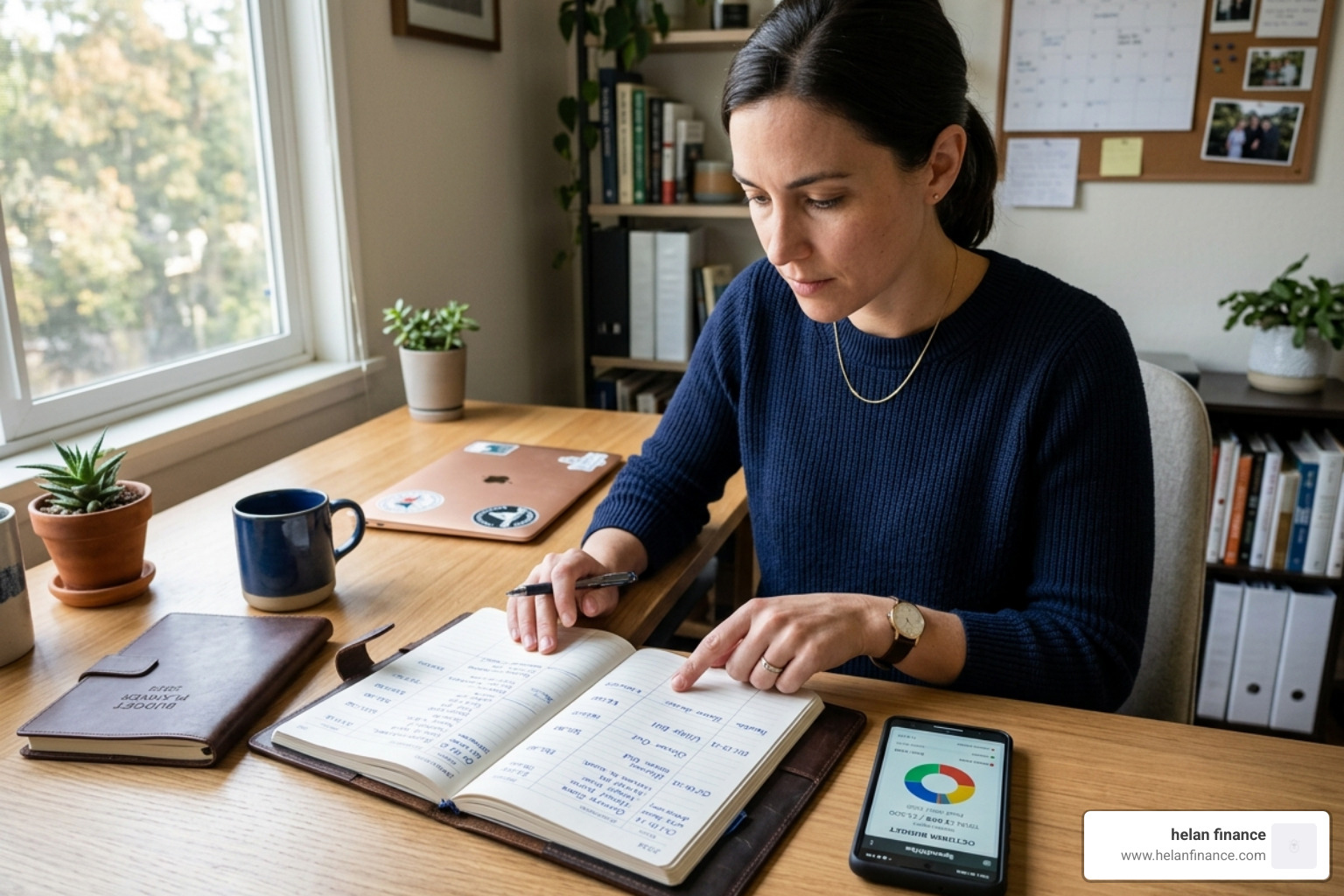
Many people swear by the power of the pen. Physical planners offer a tactile experience that apps can’t replicate. Writing down your expenses creates a stronger mental connection to your money.
- Pros: High privacy (no data sharing), no “targeted ads,” and a satisfying sense of organization. Most are non-dated, so you never waste a page if you skip a week.
- Cons: No automated syncing. You have to manually log every transaction, which can be laborious.
Digital Apps: Automation and Speed
Digital planners are designed for the modern age. They connect to your bank, categorize your spending, and send you notifications when bills are due.
- Pros: Real-time updates, automated bank syncing, and portability. You always have your budget in your pocket.
- Cons: Requires trust in digital security and often involves a recurring subscription fee.
The Middle Ground: Spreadsheets
A simple spreadsheet is the ultimate “custom” tool. You can use a weekly budget template for Excel or Google Sheets to get started.
- Pros: Completely free and infinitely customizable. You can build exactly the charts and trackers you want.
- Cons: Like physical planners, they require manual entry. If you aren’t a “spreadsheet person,” the maintenance can feel like a second job.
Comparison Table: Finding Your Fit
| Feature | Physical Planner | Spreadsheet | Budgeting App |
|---|---|---|---|
| Entry Method | Manual Pen & Paper | Manual Typing | Automated Syncing |
| Portability | Medium (Carry a book) | Low (Best on Desktop) | High (Smartphone) |
| Privacy | Maximum | High | Bank-Grade Encryption |
| Setup Time | 20-30 mins | 1-2 hours | 5-10 mins |
| Customization | Fixed Layout | Infinite | High (Categories/Emojis) |
Key Features of the Best Weekly Budget Planner
Regardless of the format you choose, the best weekly budget planner should include these essential features:
- Transaction Tracking: A dedicated space to log every dollar that leaves your pocket.
- Bill Organization: A way to see upcoming “committed expenses” (mortgage, Netflix, gym) so they don’t surprise you.
- Emoji or Color Categorization: Visual cues make it easier to see where your money is going at a glance.
- Rollover Balances: If you have $20 left over this week, it should automatically move to next week’s “Safe-to-Spend” pile.
- Bank-Grade Security: If using an app, look for AES 256-bit encryption and Multi-Factor Authentication (MFA). Leading apps today connect to over 10,000 financial institutions securely.
Best Weekly Budget Planner Options for Households
Budgeting is often a team sport. If you live with a partner or manage a household, you need a planner that supports sharing. Digital apps excel here, offering real-time syncing across multiple devices. This ensures both partners are looking at the same “Safe-to-Spend” number before making a purchase.
Collaborative tools allow you to set shared goals—like a “New Car Fund” or a “Vacation Fund”—where both parties can see the progress. This transparency reduces financial “ambiguity” and helps couples stay on the same page without needing a weekly “money meeting” that lasts three hours.
Why Helan Finance is the Top-Rated Weekly Budgeting Solution
At Helan Finance, we believe that financial planning shouldn’t feel like a chore. Our approach to finding the best weekly budget planner focuses on routines, health tips, and simplified advice that anyone can follow.
We emphasize a “value-based” budgeting system. This means we don’t just tell you to stop spending money; we help you align your spending with what actually brings you joy. Whether you are using a non-dated physical system or a high-tech app, our goal is to provide the exercises and routines that make budgeting a habit rather than a hurdle.
Our insights are backed by the massive success of the weekly budgeting community. For instance, top-rated weekly apps have processed over 4 million transactions and maintained 4.8-star ratings because they solve the one problem monthly budgets can’t: they provide a “live” look at your financial health.
How to Start Weekly Budgeting as a Beginner
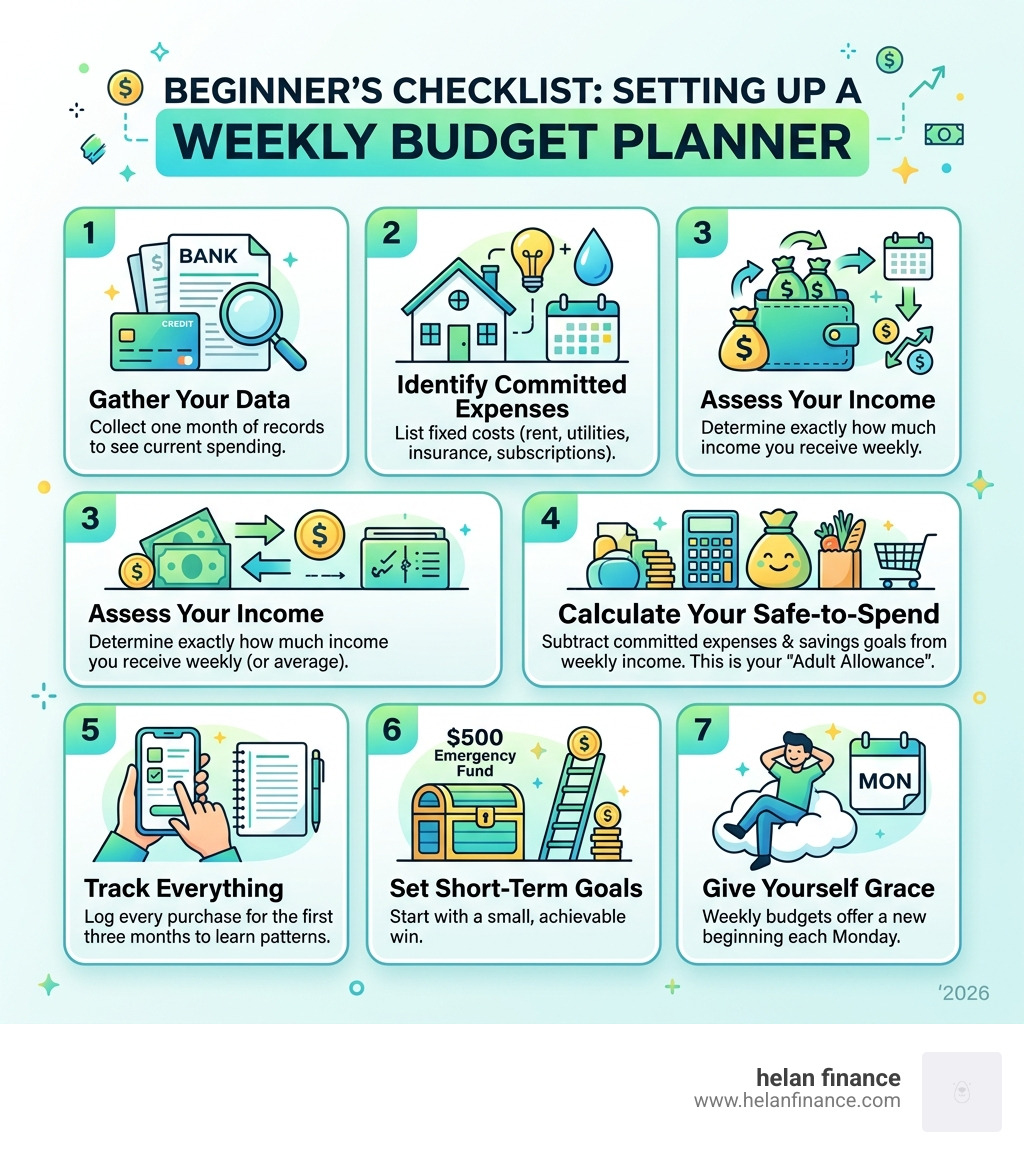
Starting a new financial habit can feel overwhelming, but the weekly cycle makes it much easier to digest. Here is a step-by-step guide to getting started:
- Gather Your Data: Pull one month of bank and credit card statements. You need to see the “ugly” truth of your current spending.
- Identify Committed Expenses: List everything that is a “must-pay” (rent, utilities, insurance, subscriptions). These are your fixed costs.
- Assess Your Income: Determine exactly how much hits your bank account each week (or convert your bi-weekly/monthly pay into a weekly average).
- Calculate Your Safe-to-Spend: Subtract your weekly committed expenses and your savings goals from your weekly income. What’s left is your “Adult Allowance” for groceries, gas, and fun.
- Track Everything: For the first three months, log every transaction. This is the “learning curve” phase where you discover your true patterns.
- Set Short-Term Goals: Start with a small win, like a $500 emergency fund. Seeing progress on a weekly basis is incredibly motivating.
- Give Yourself Grace: You will likely mess up in the first month. That’s okay! The beauty of a weekly budget is that you only have to wait a few days for a “fresh start” on Monday.
Frequently Asked Questions about Weekly Budgeting
How secure are digital weekly budget apps when linking bank accounts?
Modern budgeting apps use bank-grade security, specifically AES 256-bit encryption—the same standard used by major banks. They typically use third-party aggregators like Plaid or Yodlee, meaning the app itself never actually sees or stores your bank login credentials. For maximum safety, always choose an app that requires Multi-Factor Authentication (MFA).
Can I use a weekly budget planner if I have an irregular income?
Yes! In fact, weekly budgeting is often better for freelancers or gig workers. You can calculate your “average” weekly earnings based on the last three months. Use a rollover mechanism: in high-income weeks, the extra money stays in your account to cover the “Safe-to-Spend” during lower-income weeks.
What is the “Safe-to-Spend” method in weekly budgeting?
The Safe-to-Spend method is a way of calculating your discretionary income. It takes your total income, subtracts your fixed bills and your automated savings contributions, and leaves you with one simple number. This is the amount you can spend throughout the week on variable costs (like food or entertainment) without ever worrying about missing a bill payment.
Conclusion
Finding the best weekly budget planner is the first step toward true financial clarity. Whether you choose the tactile satisfaction of a physical notebook, the automated power of a mobile app, or the total control of a spreadsheet, the goal remains the same: taking control of your money so it stops controlling you.
At Helan Finance, we are dedicated to helping you build the routines and financial health tips needed for long-term success. Budgeting isn’t about deprivation; it’s about awareness and intentionality. By breaking your financial life into manageable seven-day bites, you can stop overspending, start saving, and finally feel “rich” every day of the week—not just on payday.
Start your financial journey with Helan Finance

