
The best ways to track expenses using apps
Why Most People Lose Track of Their Money (And How Apps Fix It)
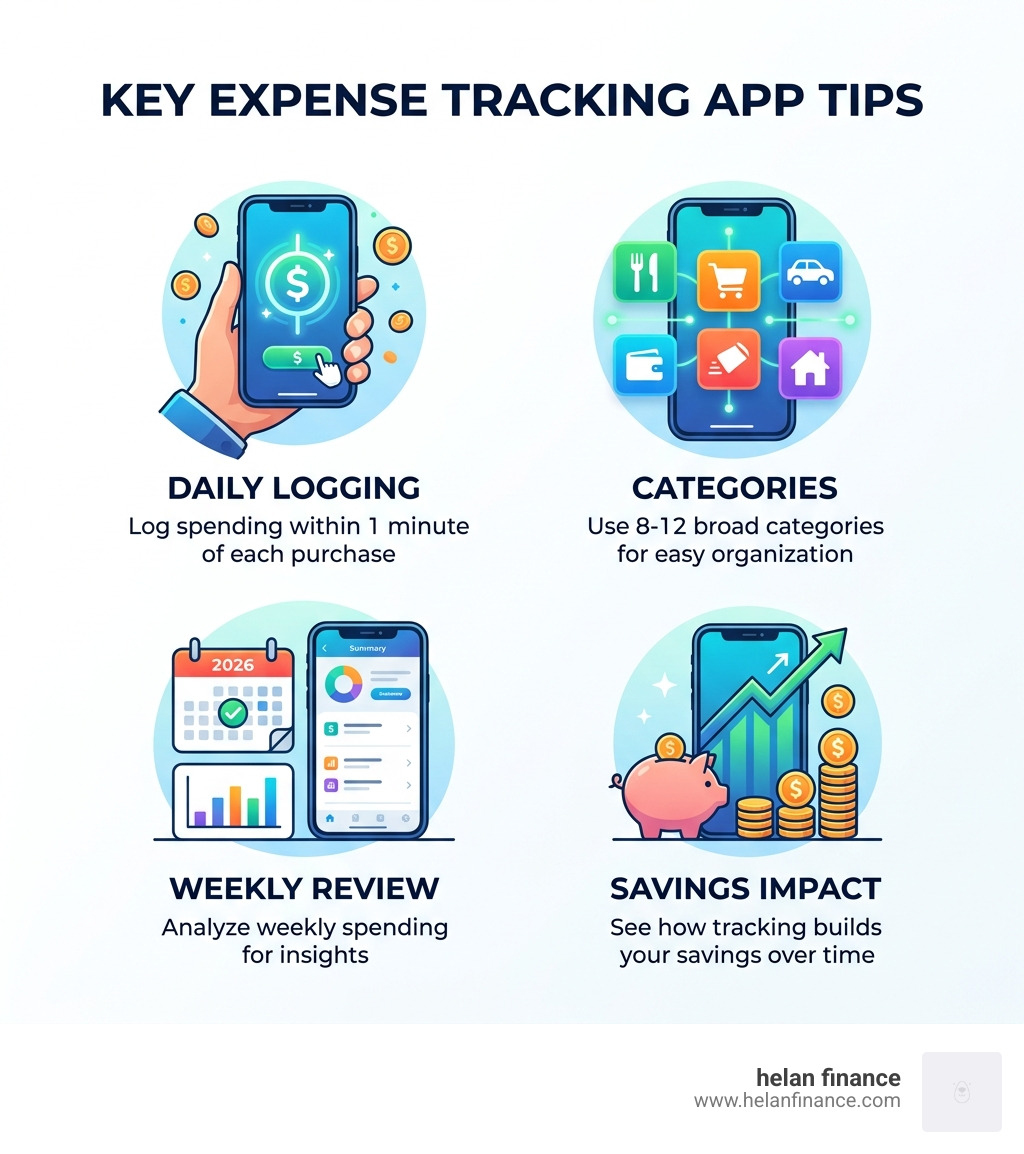
The best expense tracking app tips can be summarized quickly:
- Connect your bank for automatic transaction syncing
- Use 8-12 broad categories to organize spending without overwhelm
- Log expenses daily — ideally within 1 minute of each purchase
- Review weekly (5 minutes) and monthly (20 minutes)
- Enable alerts for unusual spending or budget limits
- Commit to 30 days before judging whether it’s working
- Start simple — consistency beats the perfect system every time
Here’s an uncomfortable truth: most people think they know where their money goes — but they’re usually off by hundreds of dollars a month.
Studies show that people underestimate their spending in categories like dining out and subscriptions by 20 to 40 percent. That $150/month on coffee, the $80 in forgotten streaming services — it all adds up quietly in the background.
You don’t have a discipline problem. You have a visibility problem.
That’s exactly what expense tracking apps solve. According to research from Bankrate, 63% of Americans already use at least one expense tracker to manage their budget. The ones who don’t are flying blind — and feeling it. A 2024 Bankrate report found that 47% of Americans say money negatively affects their mental health, with everyday expenses being the main culprit.
The good news? You don’t need to overhaul your entire financial life. You just need the right app and a few simple habits to start seeing your money clearly.
This guide covers the best apps and tips to make that happen — even if you’re busy and hate spreadsheets.
Why Digital Tracking is Essential in April 2026
As we navigate April 2026, the digital revolution in personal finance has reached a tipping point. Managing money across various digital wallets, credit cards, and bank accounts is no longer a task for the weekend; it’s a real-time necessity. Currently, about 63% of Americans utilize at least one financial app, but there is still a significant gap, as nearly 60% of Americans admit they don’t track their spending consistently.
Digital tracking is essential because “money moves faster than memory.” Without a digital record, those small $5 and $10 purchases—the “phantom spending”—blur into the background. By the time the month ends, many are left wondering why their balance is so low despite a healthy income.
Real-Time Insights and Debt Avoidance
One of the most significant expense tracking app tips is to leverage real-time data. Unlike old-school ledger systems, modern apps provide immediate feedback. When you see your “Dining Out” category turn red on the 15th of the month, you naturally adjust your behavior. This visibility is a powerful tool for debt avoidance. By identifying spending spikes before they become credit card balances, you can maintain a healthy cash flow and improve your overall financial wellness.
The Impact on User Retention and Success
Statistics show that apps with bank integration see 68% higher user retention. Why? Because automation removes the friction of manual entry. When your app does the heavy lifting, you’re more likely to stick with the habit. As we often say at Helan Finance, visibility is the first step toward financial peace.
Must-Have Features for Modern Financial Apps
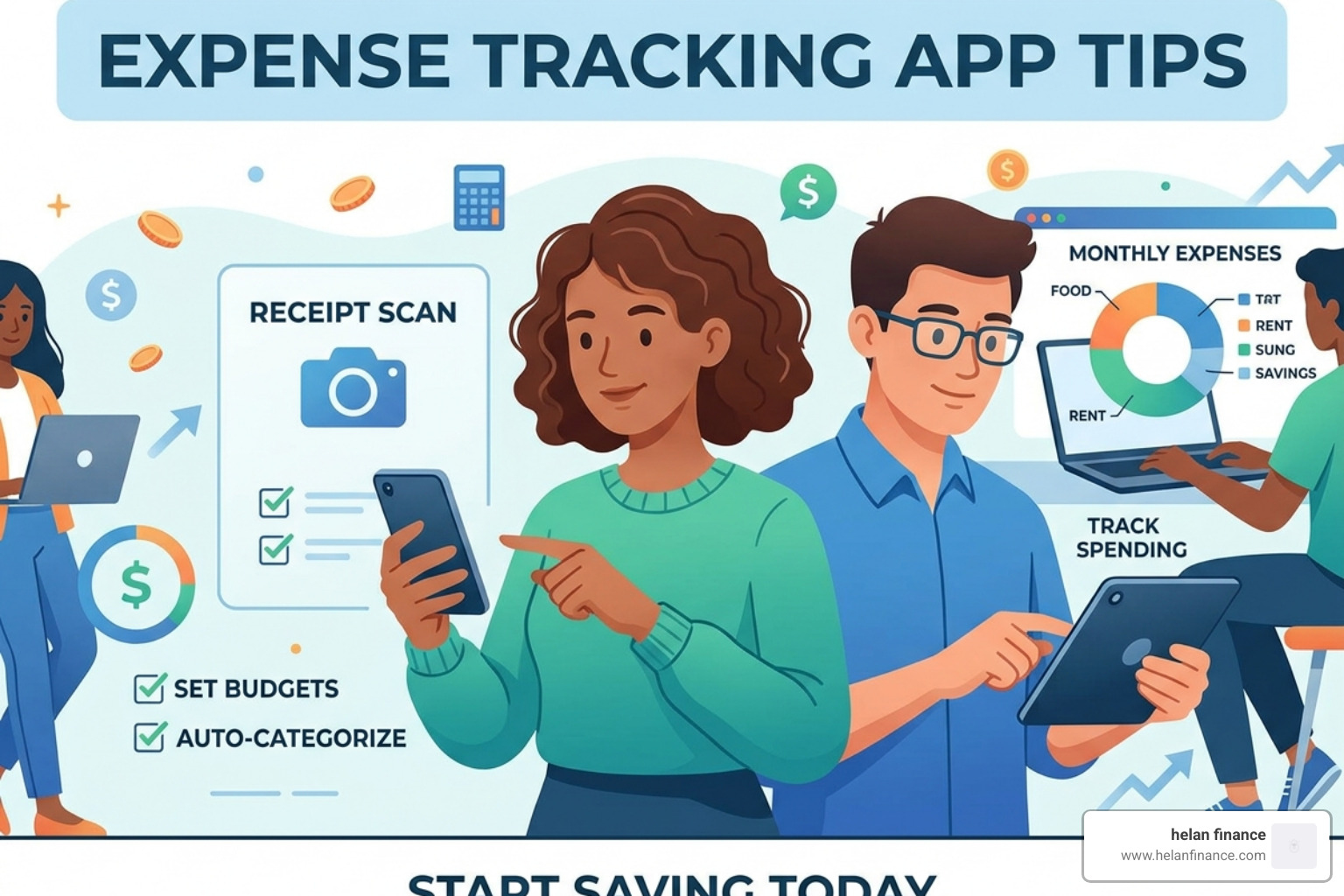
When selecting a tool, you need to know what features actually move the needle. The market is saturated, but the best apps in 2026 share several core functionalities that make financial management effortless.
1. Bank Synchronization
This is the gold standard. Automatic syncing allows your transactions to flow directly from your bank or credit card into the app. This ensures accuracy and saves you hours of manual data entry.
2. Receipt Scanning and OCR
For those who still use cash or want a digital paper trail, Optical Character Recognition (OCR) technology is a lifesaver. You can simply snap a photo of a receipt, and the app extracts the merchant, date, and amount automatically.
3. AI Categorization
In 2026, manual categorization is becoming a thing of the past. Modern apps use AI to learn your habits. If you visit a specific grocery store every Tuesday, the app learns to categorize that transaction automatically, only asking for your approval.
4. Multi-Currency Support
Whether you are a digital nomad or just a frequent traveler, multi-currency support is vital. Top apps allow you to log expenses in one currency while viewing your total net worth or budget in your home currency, using real-time conversion rates.
Comparison: Manual Entry vs. Automatic Sync
| Feature | Manual Entry | Automatic Bank Sync |
|---|---|---|
| Effort Level | High (Every transaction) | Low (Periodic approval) |
| Accuracy | High (if disciplined) | Very High (Direct data) |
| Mindfulness | Very High (You feel every dollar) | Moderate (Needs regular review) |
| Speed | Slow | Instant |
| Privacy | High (No bank links) | Standard (Encrypted links) |
5. Unusual Spending Alerts and Goal Tracking
The best apps act as a financial guardian. They send notifications if you have a recurring bill increase or if you’ve spent significantly more than usual in a specific category. This helps you stay aligned with your long-term financial goals.
Top Expense Tracking App Tips for Financial Success
Success with a financial app isn’t just about the software; it’s about the system you build around it. Here is how to ensure your tracking leads to actual behavior change.
The 30-Day Commitment
Don’t judge an app or your ability to track based on the first week. The first seven days are always the hardest as you set up categories and sync accounts. According to The Ultimate Guide to Using a Daily Expense Tracker App | Pennies, consistency matters more than the tool. Commit to 30 days of logging every single purchase to get a clear picture of your “truth.”
Weekly Reviews
Set a “Money Date” for yourself. Spend 5 to 10 minutes every Sunday reviewing your transactions. This allows you to catch any miscategorized items and see how much “safe-to-spend” money you have left for the month.
Essential expense tracking app tips for beginners
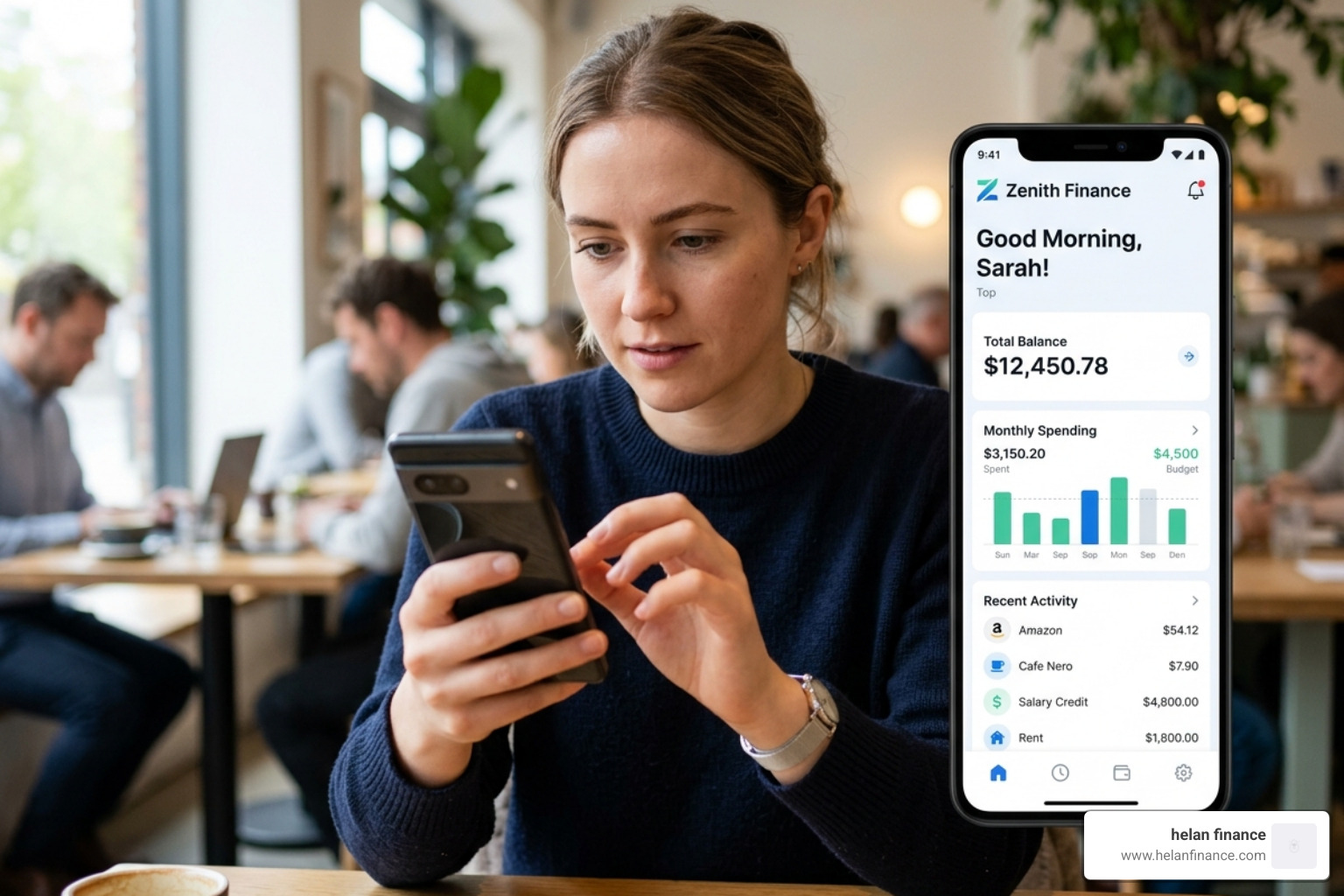
If you are just starting, follow these beginner-friendly expense tracking app tips:
- Stick to 8-12 Categories: Don’t overcomplicate things with 50 subcategories. Use broad buckets like Housing, Food, Transport, and Entertainment. You can get more granular later.
- Habit Stacking: Link your tracking to an existing routine. Log your coffee purchase while you wait for the barista, or review your daily spending while you brush your teeth.
- Capture Small Purchases: Those $2 convenience store runs are where the biggest surprises hide. Log them immediately.
- Use the “Two-Day Rule”: Never skip two consecutive days of tracking. If you miss a day, catch up using your bank app and move on.
Advanced expense tracking app tips for power users
Once you’ve mastered the basics, take your tracking to the next level:
- Zero-Based Budgeting: Give every dollar a job before the month begins. Your “Income minus Expenses” should equal zero.
- Subscription Audits: Use your app’s search feature to filter by “Subscriptions.” Most households find $60–$180 a month in forgotten services they can cancel immediately.
- Cashflow Forecasting: Use six months of data to predict your future spending. This is incredibly helpful when planning for large purchases like a car or a vacation.
- Shared Wallets: If you manage finances with a partner, use an app that allows for shared dashboards so both parties have visibility into the household budget.
Security and Data Privacy Best Practices
We understand that linking your financial life to an app can feel daunting. However, modern financial technology is built with security as a primary pillar. When choosing an app, prioritize these security measures.
Data Encryption and MFA
Ensure the app uses bank-level encryption (256-bit AES). Additionally, Multi-Factor Authentication (MFA) is non-negotiable. This requires a second form of verification, such as a code sent to your phone, to log in.
Industry Standards and Compliance
Look for apps that mention PCI DSS (Payment Card Industry Data Security Standard) or SOC2 compliance. These certifications mean the company has undergone rigorous third-party audits of their security protocols. As noted in A Complete Guide To Building An Efficient Expense Tracking App, prioritizing data security is a key differentiator for high-quality financial tools.
Privacy Policies and Local Storage
Read the fine print. Does the app sell your data to third-party advertisers? Some “local-first” apps store your data only on your device or your private cloud (like iCloud or Google Drive), which offers an extra layer of privacy for those who are wary of central servers.
Biometric Recognition
In 2026, most apps utilize FaceID or fingerprint scanning. This ensures that even if someone gains access to your phone, your financial data remains locked.
Frequently Asked Questions about Expense Apps
What is the best way to track daily expenses?
The “best” way is the one you will actually stick to. For most people, a hybrid approach works best: use automatic bank syncing for your major bills and credit card purchases, but use manual entry for cash transactions. This builds mindfulness because you are actively recording the purchase as it happens. According to Expense Tracking for Beginners | Simple Tools to Take Control, the goal is awareness, not perfection.
Are expense tracking apps secure for bank linking?
Yes, provided you use reputable apps. Most apps do not actually “store” your bank login credentials. Instead, they use secure aggregators like Plaid to create a “read-only” connection. This means the app can see your transactions to categorize them, but it cannot move your money or make changes to your account.
How do apps handle multiple currencies for travel?
Top-tier apps offer a “Unified Currency View.” They allow you to enter an expense in, say, Japanese Yen or Euros, and then use real-time exchange rates to show you exactly how much that cost in your home currency. This is essential for digital nomads who need to know how their global spending affects their main bank balance.
Conclusion
Managing your money doesn’t have to be a source of stress. Most people don’t have a money problem; they have a visibility problem. By using these expense tracking app tips, you can turn your smartphone into a powerful financial ally.
The budget is your intent, but the tracking is your truth. When you bridge the gap between the two, you gain the clarity needed to make better decisions, save more, and reach your goals faster. Whether you are looking to pay off debt, save for a home, or simply stop wondering where your paycheck went, consistent tracking is the foundation.
At Helan Finance, we believe that financial planning should be as routine and healthy as your morning workout. By simplifying your tools and focusing on routines that work, you can take full control of your financial future.
Start your journey to financial freedom with Helan Finance

