
Stop the Bleeding with a Top Budget Calculator Tool
Why a Budget Calculator Tool Is the Fastest Way to Fix Your Finances
A budget calculator tool is a free or low-cost digital tool that helps you compare your monthly income against your expenses — so you can see exactly where your money is going and what you can change.
Quick answer: Top budget calculator types to evaluate in 2026:
| Tool Type | Best For | Approach |
|---|---|---|
| Beginner-Friendly | General health check | 50/30/20 rule |
| Debt-Focused | Aggressive payoff | Zero-based budgeting |
| Detailed Trackers | Granular control | Category-by-category |
| Household Planners | Family budgeting | Income vs. expense report |
| Simple Planners | Quick estimates | Category breakdowns |
| Health Check Tools | Feedback and scoring | Surplus/deficit tiers |
Eight out of ten Americans are carrying debt right now. That’s not a coincidence — it’s largely a planning problem.
Most people don’t overspend because they’re reckless. They overspend because they don’t have a clear picture of their numbers. When income, bills, groceries, subscriptions, and debt payments all blur together, it’s almost impossible to make smart choices.
That’s the exact problem a budget calculator is built to solve.
In under 15 minutes, a good budget tool can show you:
- How much you’re actually bringing home after taxes
- Which expense categories are eating more than their fair share
- How far you are from savings goals like an emergency fund or debt payoff
You don’t need a financial advisor or a complicated spreadsheet to get started. You need the right tool — and a few minutes to plug in your numbers.
This guide breaks down the best budget calculator options available in 2026, what features actually matter, and how to pick one that fits your life.
What is a Budget Calculator Tool and Why Do You Need One?
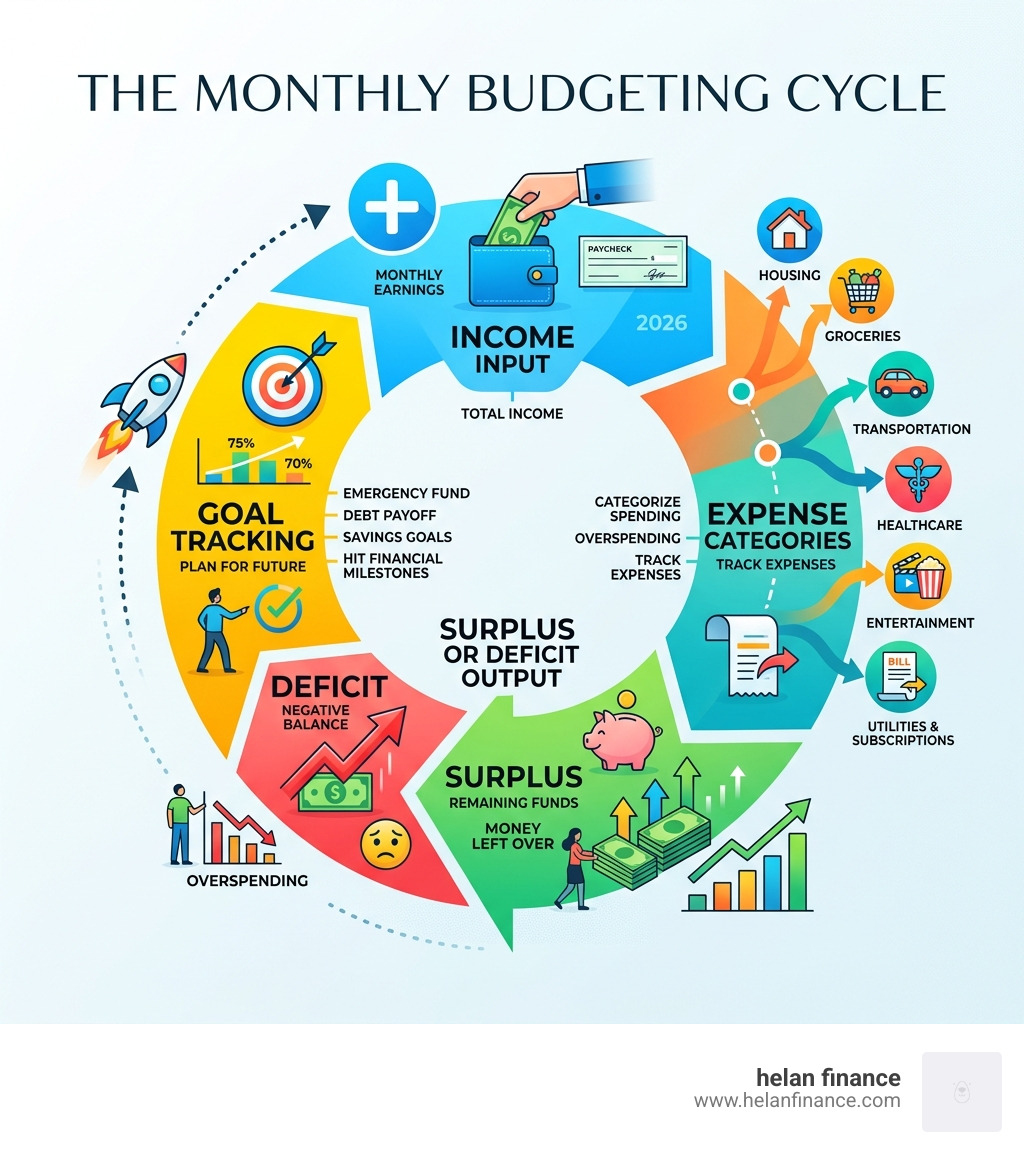
At its core, a budget calculator tool is an interactive digital interface designed to help you manage your personal finances. It works by acting as a central hub where you input your monthly income and expenditures. The tool then performs the heavy lifting—calculating totals, percentages, and the final “bottom line” (whether you have a surplus or a deficit).
Why is this so vital in April 2026? Because financial peace isn’t about how much you make; it’s about how much you keep. With eight out of ten Americans currently in debt, the need for methodical planning has never been higher. A budget is simply a roadmap for your money, ensuring you live within your means while preparing for the future.
We often find that people “guess” their way through the month, only to realize their bank account is empty three days before payday. If you’re tired of that cycle, it’s time to Stop Guessing And Start Pressing How To Build A Budget Calculation Sheet. By using a tool instead of a mental tally, you gain a clear, objective view of your financial health. This helps you identify “spending leaks” and ensures that every dollar has a specific job to do, whether that’s paying rent or funding a vacation.
Mastering the 50/30/20 Rule with Your Budget Calculator Tool
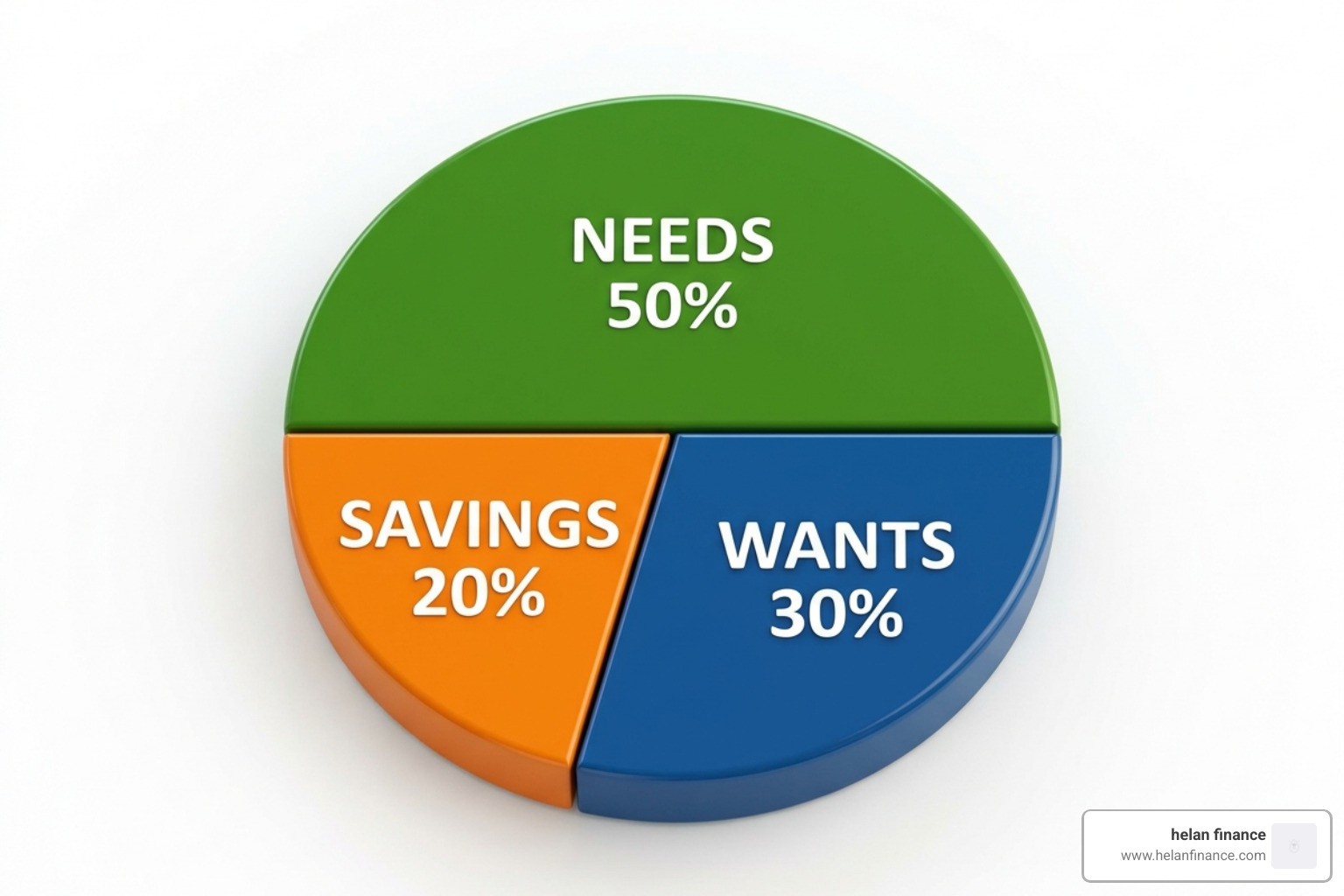
If you aren’t sure where to start, many top-tier tools utilize the 50/30/20 rule. Popularized by Elizabeth Warren, this rule is a simple, effective framework for dividing your after-tax income into three distinct buckets:
- 50% for Needs: This covers the essentials you can’t live without. Think housing, utilities, basic groceries, and insurance.
- 30% for Wants: This is your “fun” money. It includes dining out, streaming services, hobbies, and that extra pair of sneakers you’ve been eyeing.
- 20% for Savings and Debt Repayment: This is the engine for your future. It goes toward your emergency fund, retirement, and paying down high-interest debt.
Using a budget calculator tool to apply this rule provides instant clarity. For instance, a common rule of thumb is that housing should consume no more than 30% of your gross income. If your calculator shows your rent is taking up 45%, you know exactly why you’re feeling squeezed. Similarly, total transportation costs should ideally stay below 15% of your income.
While these percentages are great guidelines, they aren’t set in stone. If you live in a high-cost-of-living area, you might need to adjust to a 60/20/20 split. The goal is financial flexibility, not perfection. For those looking to dive deeper into the “20%” portion of their budget, our A Z Guide To Savings Calculator can help you visualize how those monthly contributions grow over time.
Step-by-Step: How to Use a Budget Calculator Tool Effectively
To get the most out of any budget calculator tool, you need to be thorough. It’s not just about the big bills; it’s about the small, variable costs that add up. Here is the workflow we recommend:
- Input Your Income: Start with your net (take-home) pay.
- Enter Fixed Costs: These are the bills that stay the same every month, like rent or your car payment.
- Estimate Variable Spending: Use your last three months of bank statements to find an average for groceries, gas, and utilities. (Pro tip: Overestimate these slightly to be safe!)
- Account for Irregular Expenses: Don’t forget healthcare. In the U.S., healthcare costs average about $10,000 per person annually, according to the Bureau of Labor Statistics. If you pay for checkups or prescriptions out-of-pocket, make sure there’s a line item for it.
- Review the Results: Look for the “bottom line.” If it’s red, you’re overspending. If it’s green, you have a surplus to assign to your goals.
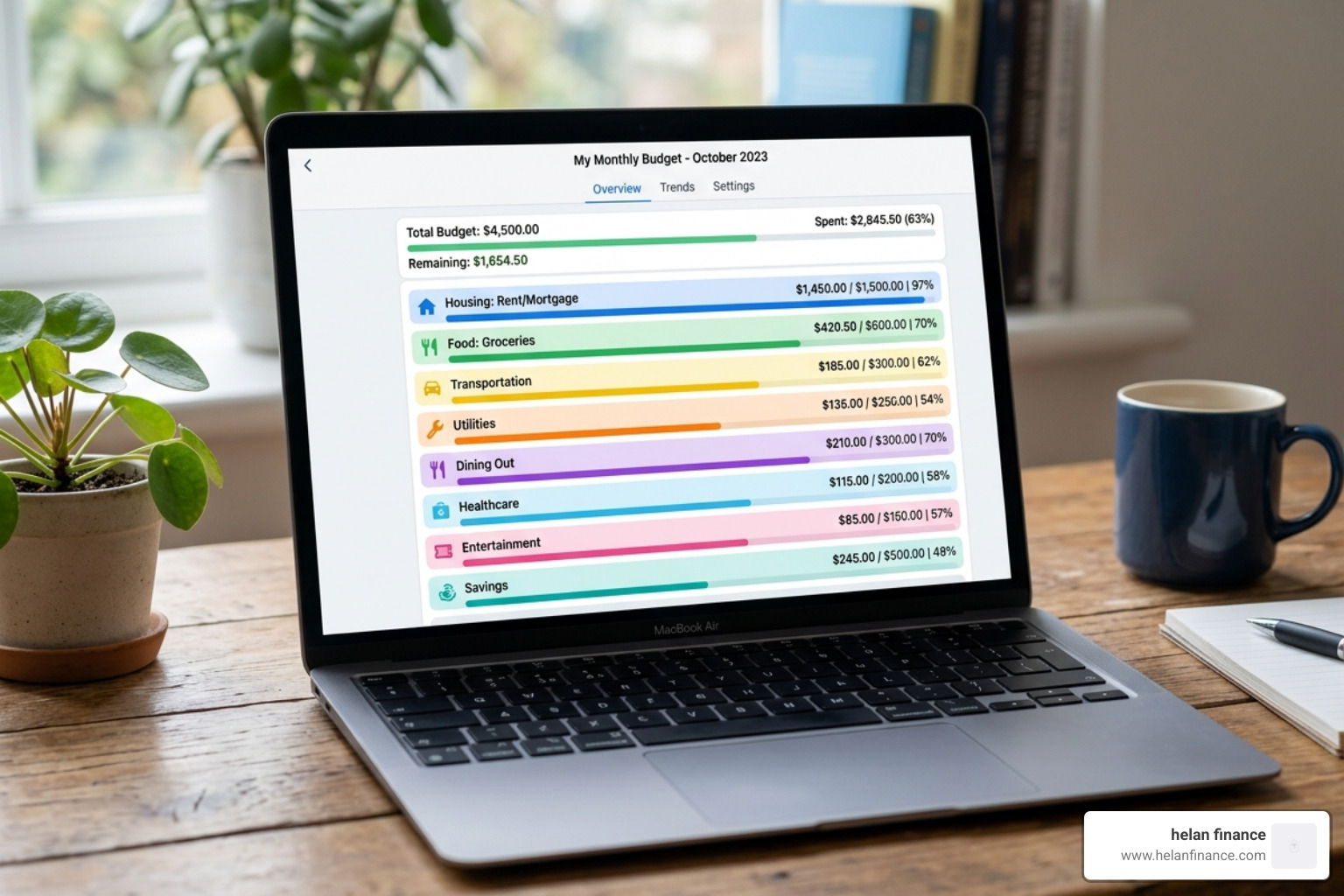
Food costs (groceries and meals out combined) should generally be kept under 15% of your income. One of the best things about a budget calculator tool is the flexibility it offers in the “Miscellaneous” category. This is usually the first place we look to “stop the bleeding” when a budget is in a deficit.
Calculating Take-Home Pay for Your Budget Calculator Tool
The biggest mistake we see is people budgeting based on their gross salary. If you earn $5,000 a month but only $3,800 hits your bank account after taxes and 401(k) contributions, you only have $3,800 to spend.
Your budget calculator tool is only as accurate as your inputs. To find your true take-home pay:
- Check your pay stubs: Look for “Net Pay.”
- Factor in pay frequency: If you get paid bi-weekly, two months out of the year you will receive three paychecks. Most people find it easiest to budget based on two paychecks and treat the “bonus” ones as pure savings.
- Include side hustles: If you drive for a ride-share service or sell crafts, include that income, but be conservative. It’s better to have a surprise surplus than a shortfall.
Evaluating Features: How to Choose the Best Budgeting Software
Not all tools are created equal. When evaluating a budget calculator tool, consider which budgeting philosophy resonates with you.
| Feature | Zero-Based Tools | Percentage Tools |
|---|---|---|
| Philosophy | Every dollar is assigned a job until you reach $0. | Focuses on staying within 50/30/20 limits. |
| Best For | Aggressive debt payoff and habit building. | Beginners who want a general health check. |
| Effort Level | High (requires tracking every transaction). | Low (focuses on monthly averages). |
Privacy is another major factor. Some tools don’t save your data past the current session, which is great for those who are security-conscious. Others offer automated feedback which gives you a “health score” based on your surplus.
If you find that your budget is consistently showing a surplus, you might be ready to move beyond simple expense tracking. You could explore The High Yields Savings Account Calculator That Makes Math Fun Again to see where to park your extra cash, or use The Complete Guide To Using An Investment Planning Calculator to start building long-term wealth.
Identifying Overspending with a Budget Calculator Tool
The moment of truth comes when the calculator shows you a deficit (a red number). Don’t panic—this is a wake-up call, not a failure. A budget calculator tool highlights exactly where the imbalance lies.
If you see a deficit, we recommend:
- The “Want” Trim: Look at your subscriptions and dining out. These are the easiest to cut immediately.
- The Debt Snowball: If debt payments are the problem, use your calculator to see how much extra you can swing toward the smallest balance to get a quick win.
- Retirement Checks: Are you saving 15% for retirement? If you’re in deep debt, some financial experts suggest pausing this briefly to build a $1,000 emergency fund, then resuming once you’re on stable ground.
Frequently Asked Questions about Budgeting Tools
What is the difference between gross and net income in budgeting?
Gross income is your total salary before anything is taken out. Net income (or take-home pay) is what actually lands in your bank account after taxes, Social Security, and insurance premiums are deducted. Always use net income for your budget calculator to ensure you aren’t spending money that doesn’t exist.
How often should I update my budget calculator?
We recommend a “check-in” once a month. At the end of the month, look at your actual spending versus what you planned in the tool. This allows you to adjust for seasonal changes—like higher utility bills in the summer or holiday shopping in December.
Can a budget calculator help me pay off debt faster?
Absolutely. By identifying “found money” (surplus) in your categories, you can redirect those funds toward your debt. Many people find that by simply using a budget calculator tool to track their spending, they naturally spend less and can increase their debt payments by 10-20% without feeling the sting.
Conclusion
Building a budget isn’t about “miserly hoarding” every penny; it’s about long-term planning and spending your money on the things that truly matter to you. Whether you want to buy your dream car, save for a home, or simply stop worrying about the mail, a budget calculator tool is the first step toward that freedom.
At Helan Finance, we believe financial planning should be easy and efficient. By using these tools to build healthy routines and exercises, you can turn your financial stress into a position of strength. Don’t let another month slip by without a plan. Start your journey to financial health today and take control of your future, one dollar at a time.

