
Smart Ways to Save Money: Small Changes for Big Results
Why Smart Ways to Save Money Matter More Than Ever in 2026
Smart ways to save money don’t have to be complicated. Here are the most effective strategies you can start using today:
Quick-start saving strategies:
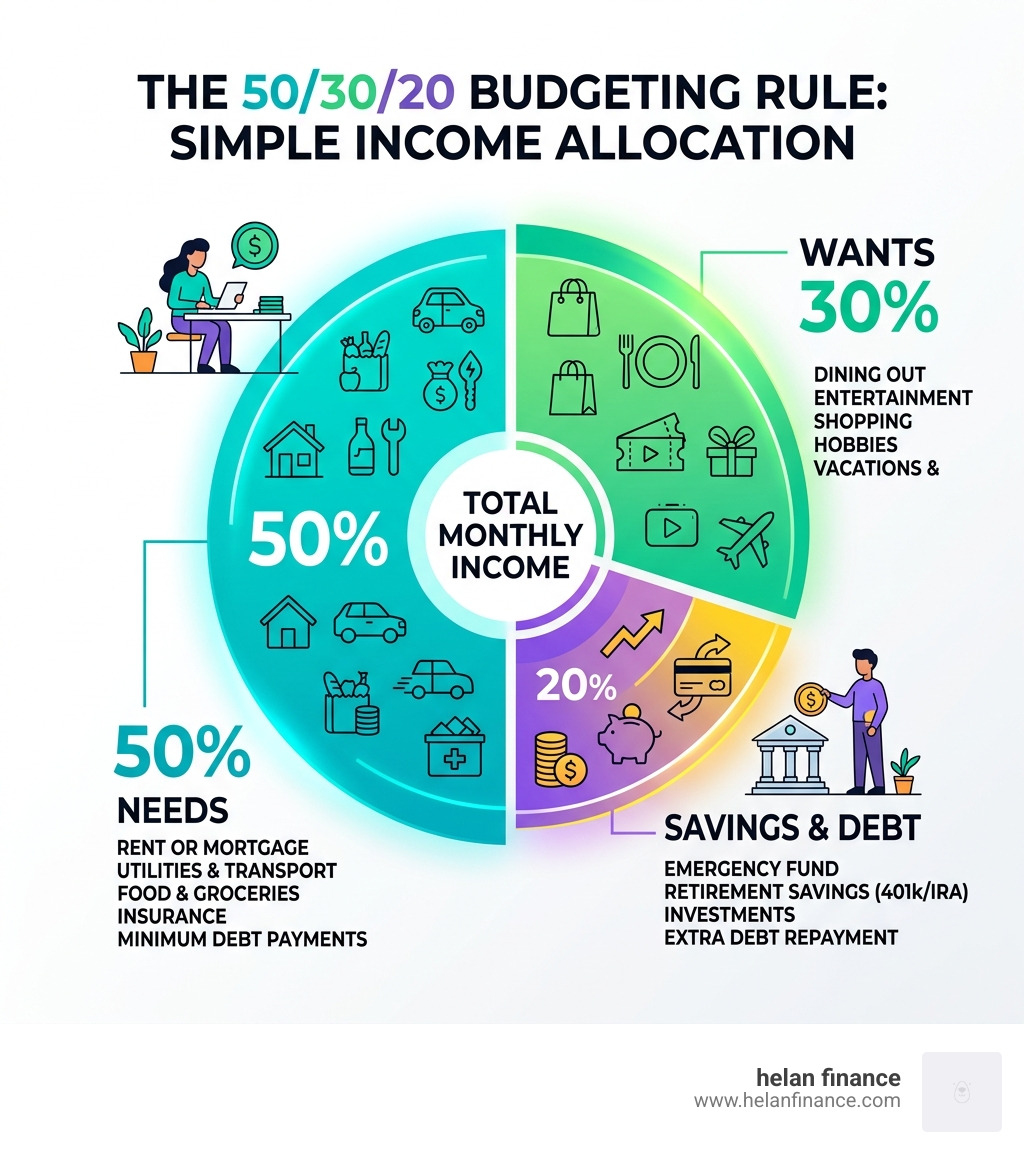
- Build a budget using the 50/30/20 rule (50% needs, 30% wants, 20% savings)
- Automate your savings by splitting your direct deposit before you can spend it
- Cut subscriptions — a single audit can save over $1,000 per year
- Switch to generic brands to save 20–25% on groceries
- Open a high-yield savings account earning 4.5–5.0% APY instead of the national average of 0.39%
- Use the 30-day rule — wait before any non-essential purchase
- Meal plan and cook at home to cut into the average $3,200 Americans spend eating out each year
Right now, saving feels harder than it used to. Over half of Americans (51%) expect consumer prices to keep rising in 2026. Yet nearly half (46%) still plan to build an emergency fund this year.
The good news? You don’t need a financial overhaul. Small, consistent changes compound into real results.
The challenge for most busy people isn’t knowing they should save — it’s finding a simple system that works without taking over their life.
That’s exactly what this guide covers.
Foundations of Financial Success: Budgeting and Goal Setting

Before we start cutting coupons or negotiating bills, we need a map. Without a budget, saving money feels like trying to catch water with a sieve—you might catch a few drops, but most of it disappears before you realize it’s gone. At Helan Finance, we believe the best smart ways to save money start with a clear view of your financial landscape.
The 50/30/20 rule is our favorite starting point because of its simplicity. You allocate 50% of your take-home pay to “Needs” (housing, utilities, groceries), 30% to “Wants” (dining out, streaming services), and 20% to “Savings and Debt Repayment.” This framework ensures that your future self is getting paid just as reliably as your landlord.
To make this work, you need SMART goals: Specific, Measurable, Achievable, Relevant, and Time-bound. “I want to save money” is a wish; “I will save $5,000 for an emergency fund by December 2026” is a goal. Once you have that target, you can Excel Your Way To Wealth With The Savings Plan Formula to see exactly how much you need to set aside each month.
Creating an Effective Budget
An effective budget isn’t a cage; it’s a tool for freedom. Many successful savers use zero-based budgeting, where every single dollar you earn is assigned a specific “job” until there are zero dollars left over. If you have $100 left at the end of the month, don’t just leave it in your checking account where it might get spent on a late-night Amazon haul. Give it a job—send it to your high-yield savings account or put it toward a debt.
Tracking your “leaks” is the next step. Most of us don’t go broke over one big purchase; we lose our savings to a thousand small ones. By using an A Z Guide To Savings Calculator, you can visualize how those small daily leaks affect your long-term wealth. For more tailored help, check out these Efficient Money Saving Strategies For Your Monthly Saving Plan.
Setting Realistic Short-Term and Long-Term Goals
We like to categorize goals into two buckets:
- Short-Term (1-3 years): Building an emergency fund, saving for a vacation, or a car down payment.
- Long-Term (4+ years): A home down payment, a child’s education, or retirement.
Your first priority should always be an emergency fund. In 2026, with 24% of Americans reporting zero emergency savings, having a buffer is a superpower. Aim for 3 to 9 months of living expenses. If that feels overwhelming, start with a “starter” emergency fund of $500 to $1,000. This small amount can break the cycle of using high-interest credit cards for every car repair or medical bill. Once that’s secure, you can transition From Piggy Bank To Property Your Guide To Saving For A Home.
Smart Ways to Save Money on Daily Essentials

Inflation in 2026 has made the “Big Three”—housing, transportation, and food—more expensive than ever. However, these are also the areas where you can find the biggest “quick wins.” One of the most smart ways to save money is to attack these recurring costs with a strategy.
Smart ways to save money on groceries and food
The average American household spends around $830 per month on food at home. You can slash this by 20–25% simply by choosing generic brands over name brands. Most generic products are manufactured in the same facilities as the big names—you’re just not paying for the multi-million dollar marketing budget.
Here are a few more high-impact habits:
- Meal Planning: Shop your pantry before you shop the store. Waste is one of the most expensive parts of grocery shopping; food waste costs a household of four nearly $3,000 annually.
- Unit Pricing: Don’t assume the “Family Size” is cheaper. Check the price per ounce or per unit on the shelf tag.
- Couponing: Research shows households can save $1,465 per year just by using coupons. Combine these with cashback apps to “stack” your savings.
| Expense Category | Name Brand Annual Cost | Generic Brand Annual Cost | Potential Savings |
|---|---|---|---|
| Staples (Milk, Bread, Eggs) | $1,200 | $900 | $300 |
| Canned/Dry Goods | $800 | $600 | $200 |
| Cleaning Supplies | $450 | $340 | $110 |
| Total | $2,450 | $1,840 | $610 |
For more deep-dives into these habits, explore these 10 Tips And Tricks To Master Money Saving and check out the 54 Ways to Save Money | America Saves.
Reducing Utility and Transportation Costs
Your home and your car are often your biggest money pits, but small behavioral shifts make a massive difference.
- Energy Savings: Switching to LED bulbs can save a household $225 a year. Adjusting your thermostat by just 2–4 degrees can reduce heating and cooling costs by 6% per degree.
- Laundry: Wash in cold water and only run full loads.
- Transportation: Combine your errands into one “loop” to save gas. Also, keep your tires properly inflated; it improves gas mileage and prevents premature wear.
For more immediate steps, see these 10 Personal Finance Tips To Start Saving Today.
Cutting the Leaks: Subscriptions, Impulse Buys, and Recurring Costs
Spending has become “frictionless.” Tap-to-pay and one-click ordering have removed the “pain of paying” that we used to feel when handing over physical cash. To save effectively, we need to reintroduce that friction.
Differentiating Between Needs and Wants
There is a massive “gray area” in our spending. A smartphone is a need in 2026; the latest $1,200 model with the slightly better camera is a want. A car might be a need for your commute, but a luxury SUV is a want.
One of the best smart ways to save money is the 30-day rule. If you see something you want, wait 30 days before buying it. Often, the impulse fades, and you realize you didn’t need it at all. For smaller items, even a 24-hour rule can save you from hundreds of dollars in “boredom shopping” on your phone. Keeping your mind focused on the big picture helps, so try to Keep Your Nest Egg Growing While Youre Busy Relaxing.
Quick Wins for Entertainment and Dining Out
The average American spends $3,200 a year eating out. While we all love a good restaurant meal, it is a major budget drain.
- The “Sneaky” Reddit Hack: A popular Reddit thread on sneaky savings suggests swapping subscriptions with friends or family to cut down on the $40–$130 a month most households spend on streaming.
- The Library: It’s not just for books. Most modern libraries offer free access to movies, digital magazines, and even “libraries of things” where you can borrow tools or kitchen appliances.
- Staycations: Instead of a $3,000 trip, explore local museums or parks.
If you need a structured way to gamify this, try the 52 Week Money Challenge The Only Money Saving Plan You Need. You might also find inspiration in The Best Save Money Habits You Probably Havent Tried Yet.
Advanced Strategies: Automation, Debt, and High-Yield Growth
Once you’ve cut the leaks, it’s time to make your money work for you. In 2026, the gap between a traditional savings account (0.39% APY) and a High-Yield Savings Account (HYSA) (4.5–5.0% APY) is massive. On a $10,000 balance, that’s the difference between earning $39 a year and earning $500 a year. That is literally free money.
Smart ways to save money through automation
Willpower is a finite resource. If you have to decide to save money every single month, eventually, you’ll have a bad day and decide to spend it instead. Automation removes the decision entirely.
- Split Direct Deposit: Have your employer send 10-20% of your paycheck directly to your savings account. If you never see the money in your checking account, you won’t miss it.
- Pay Yourself First: Treat your savings like a bill that must be paid.
- Micro-Savings: Use apps that “round up” your purchases to the nearest dollar and invest the change.
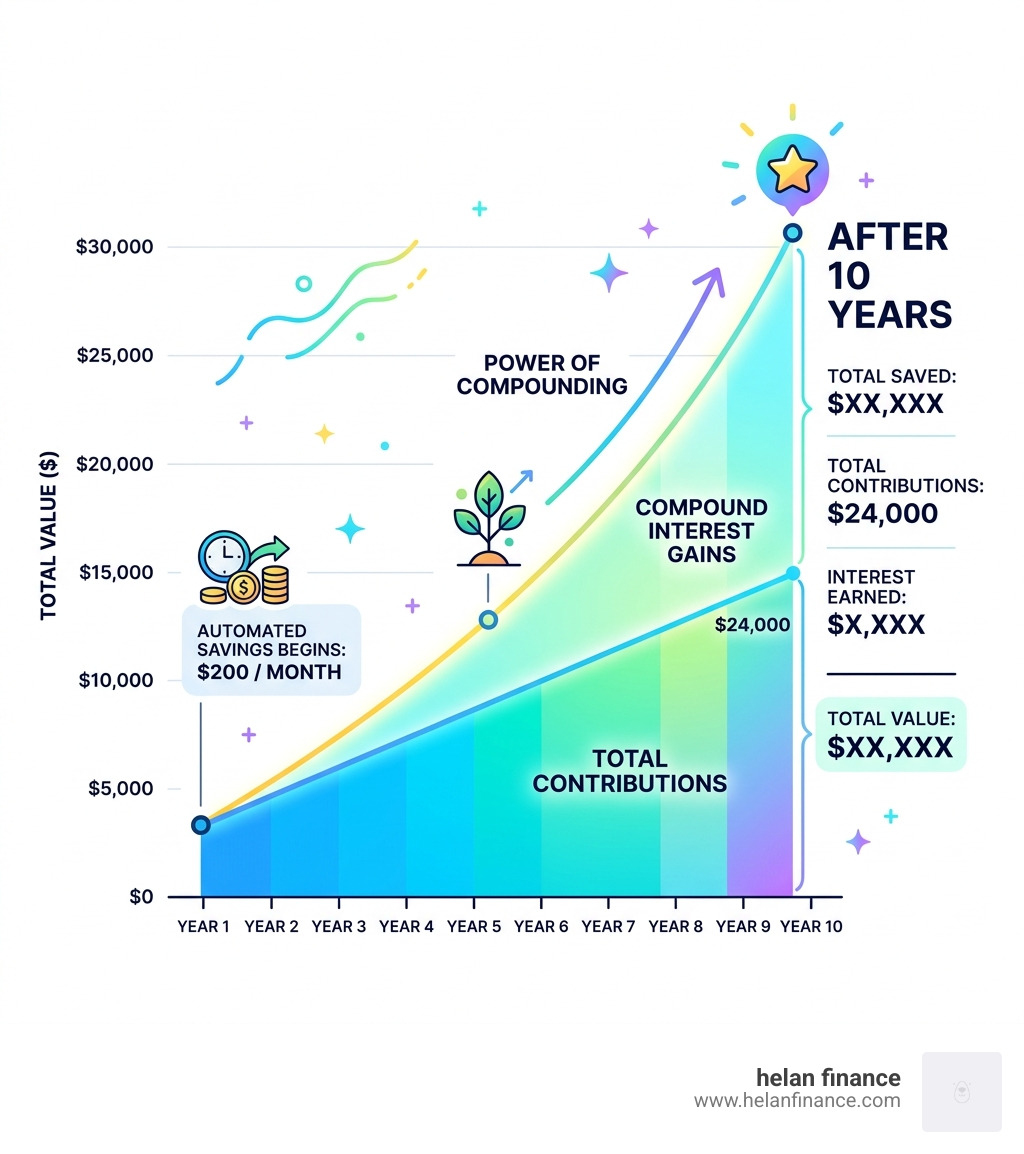
To see the math in action, use The High Yields Savings Account Calculator That Makes Math Fun Again. You can also find more Simple ways to save money for the future through banking optimizations.
Prioritizing Debt vs Building Savings
This is the age-old question: do I pay off my credit card or save for a house?
- The Emergency Buffer: Always build a $500–$1,000 buffer first. This stops you from going deeper into debt when life happens.
- High-Interest Debt: If your credit card APR is 24%, and your savings account earns 5%, you are losing money. Attack high-interest debt aggressively.
- 401(k) Match: If your employer offers a match, that is a 100% return on your investment. Always contribute enough to get the full match before doing anything else.
Frequently Asked Questions about Smart Ways to Save Money
How do I differentiate between needs and wants when spending?
A need is something essential for health, safety, or your ability to earn an income (like basic groceries, rent, or a working phone). A want is anything that provides comfort or entertainment but isn’t strictly necessary. If you’re struggling, use the “Wait Test”: wait 24 to 48 hours. If the “need” to buy it has diminished, it was likely a want.
What are the best ways to automate my savings effortlessly?
The most effective way is through your employer’s payroll system. Ask to split your direct deposit between two accounts. If that isn’t an option, set up a recurring transfer from your checking to your savings account to trigger the day after you get paid. This ensures you “pay yourself first” before other bills can eat up your balance.
Should I pay off debt or build an emergency fund first?
We recommend a hybrid approach. Build a “starter” emergency fund of $1,000 first. This prevents you from needing to use a credit card for unexpected repairs. Once that buffer is in place, put every extra dollar toward your highest-interest debt (usually credit cards). Once the high-interest debt is gone, finish building your full 3-6 month emergency fund.
Conclusion
Saving money in 2026 isn’t about deprivation; it’s about intentionality. By implementing these smart ways to save money, you aren’t just cutting back—you’re building a foundation for a life with less stress and more options. Whether it’s negotiating your internet bill, switching to generic peanut butter, or finally opening that high-yield savings account, every small step counts.
At Helan Finance, we believe that financial freedom is a journey of consistent progress, not perfection. Start with just three of the tips from this list today and watch how quickly your results begin to compound.
Ready to take control? Start your journey with Helan Finance and let us help you simplify your path to wealth.

