
Mindful Spending: The Art of Not Buying Stuff You Don’t Need
You’re Earning More — So Why Does Your Money Keep Disappearing?
Mindful spending habits are the practice of making every purchase with intention — knowing why you’re spending, whether it aligns with your goals, and whether it’s actually worth it.
Here’s a quick look at what mindful spending habits involve:
- Be intentional — ask “do I need this?” before every purchase
- Track your spending — know exactly where your money goes each month
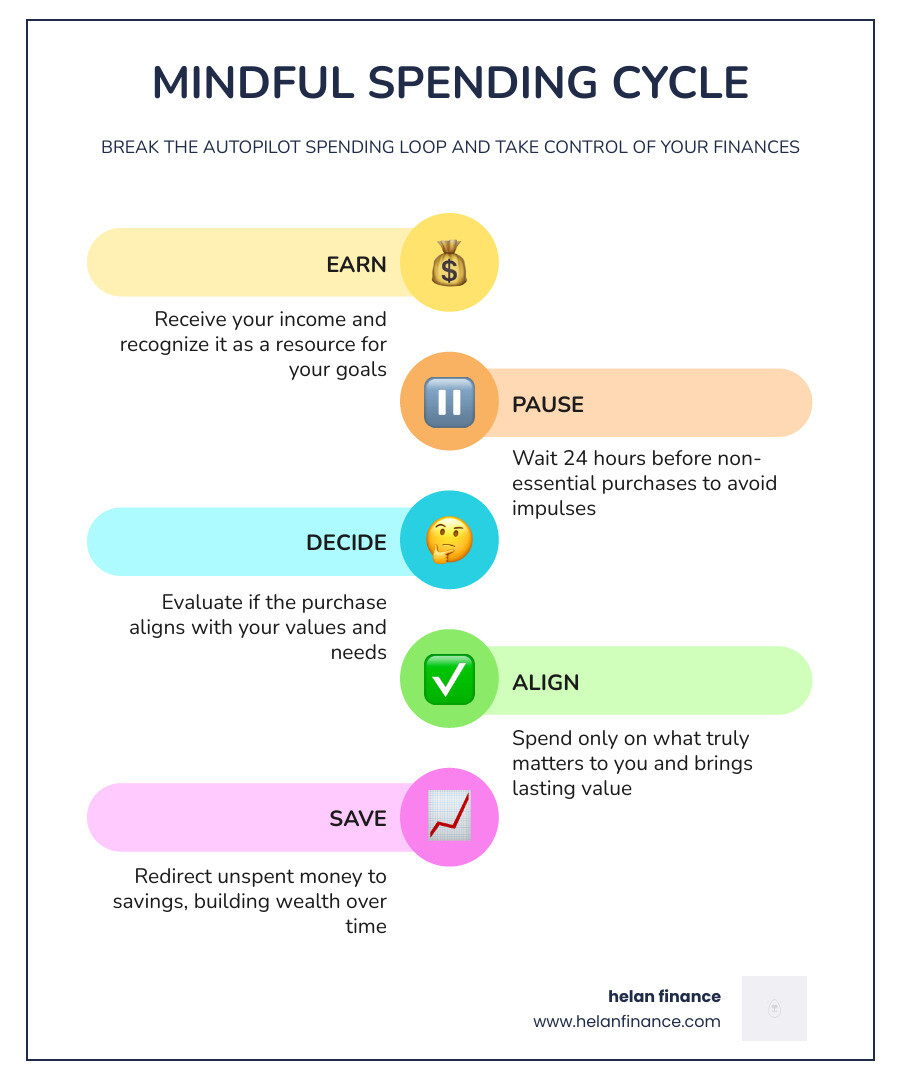
- Pause before buying — wait 24 hours before any non-essential purchase
- Align spending with values — spend on what truly matters to you, cut the rest
- Reflect regularly — review purchases and adjust your habits over time
You open your banking app on a Sunday evening. The balance is lower than you expected. Again. You’re not sure exactly where it all went — a few online orders here, a subscription you forgot about there, maybe some takeout on a stressful Wednesday.
Sound familiar? You’re not alone. 47% of working Americans say they’re earning more than ever yet still feel behind financially. The problem usually isn’t income. It’s the gap between what we intend to spend and what we actually spend.
That gap is exactly what mindful spending is designed to close.
This guide will show you how — with simple, practical habits that don’t require hours of spreadsheet work or giving up everything you enjoy.
What is Mindful Spending and Why Does It Matter?
At its heart, mindful spending is about awareness. It is the opposite of “autopilot spending,” where you swipe your card without thinking or let one-click ordering dictate your bank balance. When we talk about Mindful Spending: Growing Healthy Financial Habits on a Tight Budget, we are talking about a shift in perspective. It’s not just about saying “no” to things; it’s about saying “yes” to the things that actually matter.
In April 2026, the world is faster than ever. Retailers use sophisticated algorithms to trigger our dopamine loops, making it incredibly easy to spend $314 a month on impulse buys alone. That adds up to over $3,700 a year! By adopting mindful spending habits, we reclaim our power from these marketing tactics.

Practicing mindfulness with your money leads to massive benefits beyond just a higher savings rate:
- Stress Reduction: Money is one of the leading causes of anxiety. When you know where your money is going, that “knot in your stomach” disappears.
- Increased Gratitude: Instead of constantly chasing the next “new” thing, you begin to appreciate what you already have.
- Value Alignment: You ensure your hard-earned cash supports your actual life goals, like travel or homeownership, rather than cluttering your closet.
As we discuss in our guide on how Healthy Spending Habits Stop The Bleeding And Start Building Wealth, the goal is to stop the leaks so you can actually start building a future.
The Core Principles of Mindful Spending Habits
To master this art, we focus on four pillars:
- Intentionality: Every purchase should have a clear “why.”
- Awareness: You are fully present during the transaction, not distracted or emotional.
- Reflection: You look back at your spending to see if it brought the value you expected.
- Goal Alignment: Your spending acts as a bridge to your dreams, not a barrier.
Developing Personal Money Habits For A Wealthier Mindset requires us to look at money as a tool for freedom, not just a medium for consumption.
Mindful Spending vs. Traditional Budgeting and Frugality
Many people confuse mindful spending with extreme frugality. Frugality often focuses on spending as little as possible, sometimes leading to a “scarcity mindset” where you feel deprived. Traditional budgeting can feel like a restrictive diet—if you “break” it, you feel like a failure.
Mindful spending is an abundance mindset. It’s about spending more on what you love and zero on what you don’t. While Common Money Habits That Keep You Poor involve mindless consumption, mindful spending encourages you to be a “pro” at spending on your priorities.
Practical Strategies to Build Mindful Spending Habits
How do we move from theory to action? It starts with creating friction between the urge to buy and the act of buying.
How to Track Your Spending and Identify Triggers
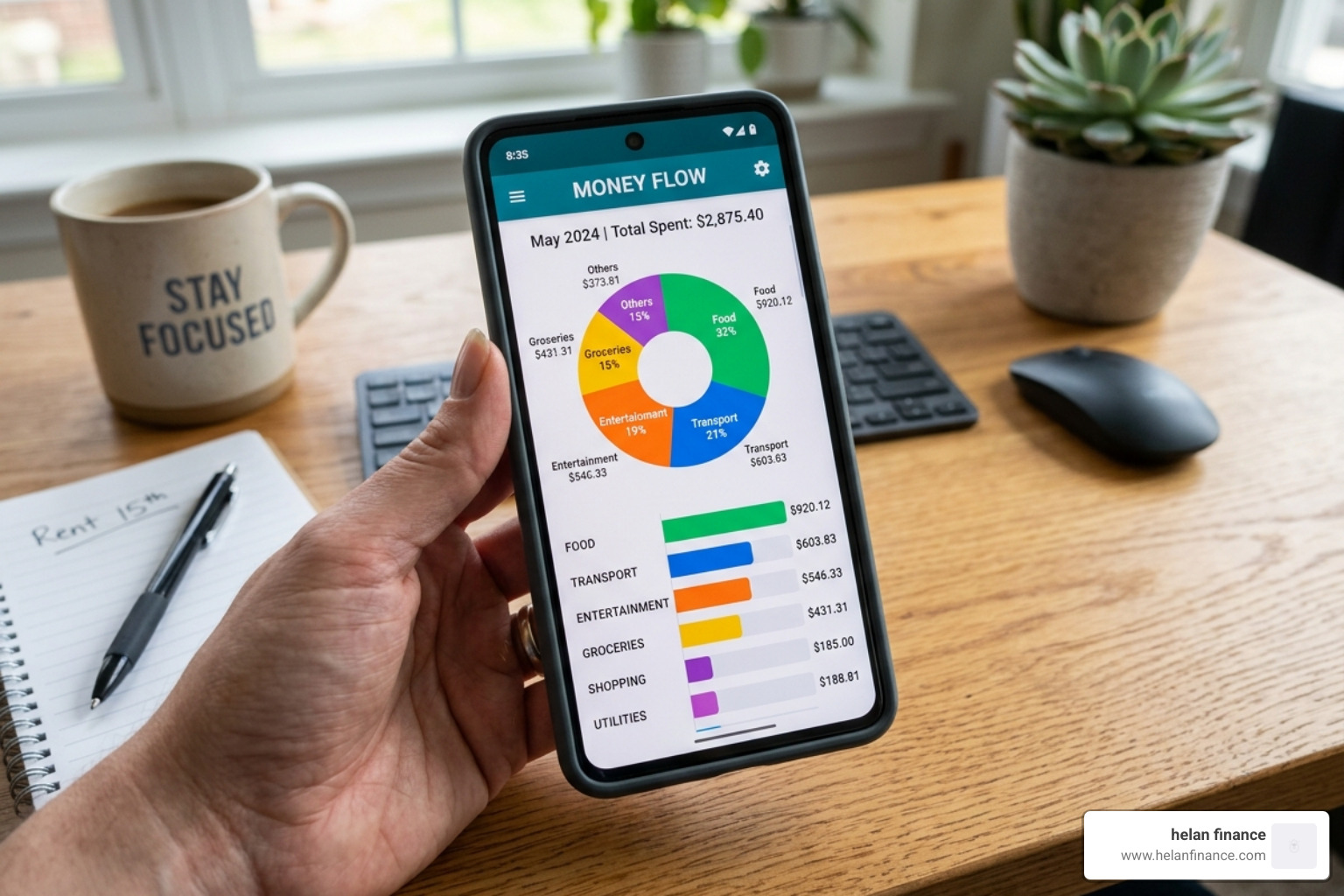
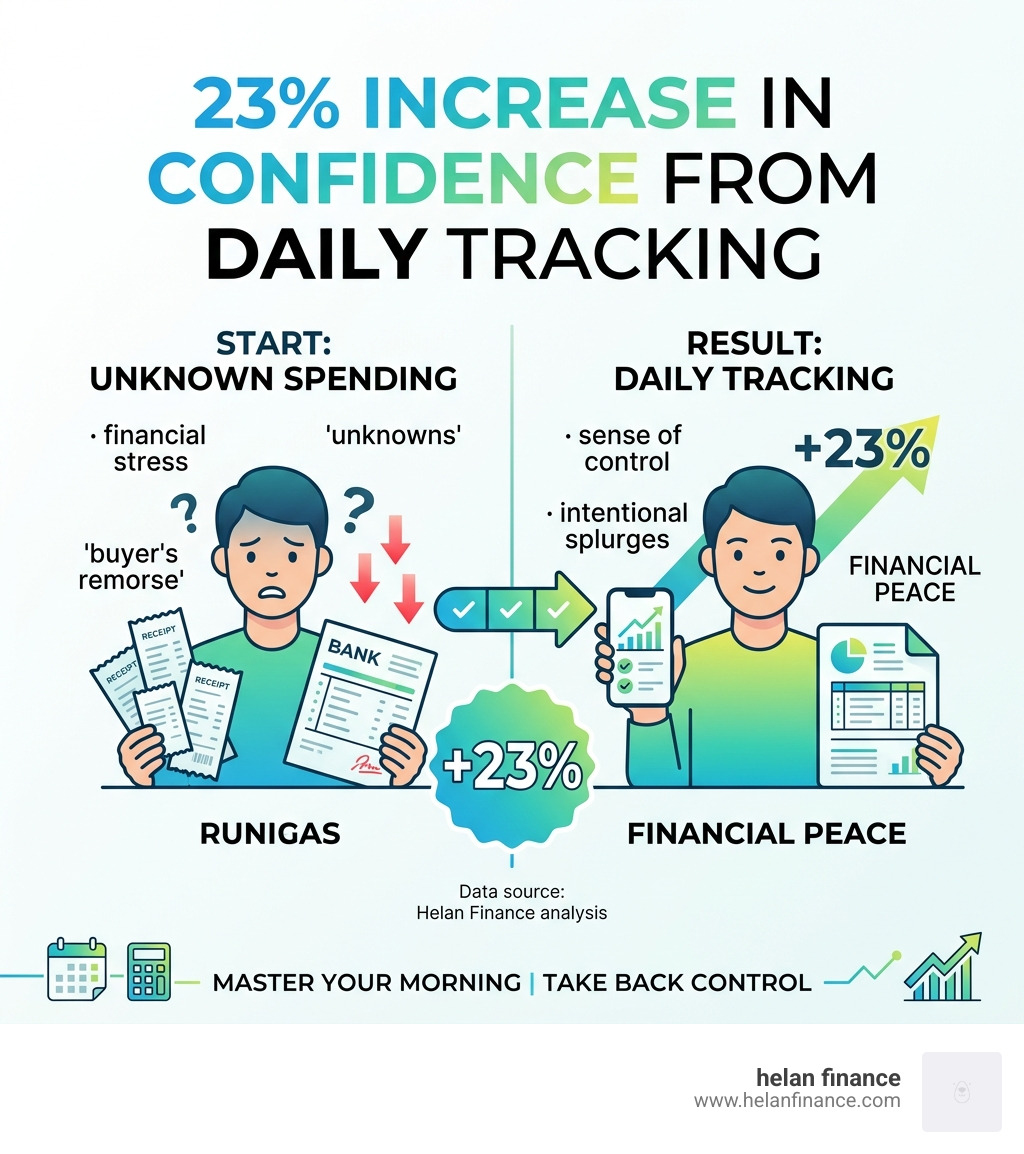
You can’t manage what you don’t measure. Research shows that people who track their spending daily for just four weeks report a 23% improvement in financial confidence.
We recommend you Stop Guessing And Start Tracking Your Wealth Building Habits. When you track, you’ll start to see patterns. Are you spending more on Friday nights because you’re exhausted? That’s an emotional trigger. 49% of Americans admit to spending money they don’t have to cope with emotions. Recognizing these triggers is the first step to neutralizing them.
Mastering the ‘Pause Before Purchase’ Rule
The “Pause” is your most powerful weapon. Whether it’s the 24-hour rule or a 48-hour cooling-off period, introducing even a small delay reduces impulse buying by up to 40%.
Before you hit “Buy Now,” ask yourself:
- Do I need this?
- Does it align with my values?
- Can I afford it without stress?
- Will I still want it tomorrow?
This is one of The Best Save Money Habits You Probably Havent Tried Yet. It turns a reactive decision into a proactive one.
The 50-30-20 Framework
To complement your mindful spending habits, use a simple framework like the 50-30-20 rule:
- 50% for Needs: Rent, groceries, utilities.
- 30% for Wants: Dining out, hobbies, entertainment.
- 20% for Savings and Debt: Building your future.
For more on implementing these structures, check out our guide on How To Build Better Money Habits Without Losing Your Mind.
| Category | Mindful Approach | Example |
|---|---|---|
| Needs | Buy for quality and utility. | A warm coat for your commute. |
| Wants | Buy for experience and joy. | A concert with friends. |
| Impulse | Identify and eliminate. | A “sale” item you didn’t plan for. |
Overcoming Challenges and Breaking the Paycheck Cycle
Breaking the cycle of living paycheck to paycheck isn’t just about math; it’s about psychology. We often spend to keep up with friends or because we feel we “deserve” a treat after a hard day.
One of the biggest hurdles is social pressure. In 2026, “loud budgeting” has become a popular way to handle this—being honest with friends about your financial goals. You might say, “That dinner doesn’t fit my budget right now, but let’s go for a hike instead.”
By following 4 Tips to Help You Develop Mindful Spending Habits, you can start to resist the influence of social media and “lifestyle creep.”
Aligning Your Mindful Spending Habits with Personal Values
What do you actually value? 79% of people are willing to skip small indulgences to save for unforgettable events and experiences. If you value travel, spending $10 a day on convenience store snacks is actively stealing from your “Italy 2027” fund.
When you align your spending with your values, you find The Daily Habits That Lead To Financial Freedom. You stop feeling guilty about spending because you know exactly where every dollar is going.
Frequently Asked Questions about Mindful Spending
How does mindful spending reduce financial stress?
It provides a sense of control. Most financial stress comes from the unknown. When you track and plan, you eliminate the “Sunday night knot” in your stomach. Since more than half of people feel regret after a splurge, mindful spending prevents that “buyer’s remorse” by ensuring every large purchase is pre-approved by your “rational self” during the 24-hour pause.
Can I still splurge while spending mindfully?
Yes! In fact, we encourage it. Mindful spending isn’t about deprivation; it’s about intentional splurging. If you love coffee, buy the high-quality beans you enjoy. If you love live music, budget for that front-row seat. The difference is that these splurges are planned and value-based, rather than impulsive and guilt-ridden.
What tools or apps support mindful spending?
While many people use spreadsheets or digital expense trackers, we at Helan Finance believe in simplified planning. 64% of Millennials and Gen Z now prioritize saving over lifestyle, and they need tools that reflect that. Using an app that allows you to categorize spending and set “values-based” goals can make the process much easier. Daily rituals, like a two-minute morning check-in on your bank balance, are also incredibly effective.
Conclusion
Mastering mindful spending habits is a journey, not a destination. It’s about building a healthier relationship with your money so it can serve you, rather than you serving it. By being intentional, pausing before you buy, and aligning your spending with what you truly value, you can break the paycheck-to-paycheck cycle and find true financial peace.
At Helan Finance, we specialize in making this process easy and efficient. Our simplified financial planning tools—including exercises, routines, and expert advice—are designed to help you Master Your Morning With These Daily Money Habits and take back control of your future.
Ready to stop the bleeding and start building wealth? Start your journey to financial freedom with Helan Finance.

