
How to Track Your Spending Without Spending a Dime
You Don’t Need to Pay to Get Your Finances Under Control
The best app for budgeting free options available right now include:
- Virtual envelope budgeting apps – Free forever tiers, shared household budgeting, and device syncing
- Net worth tracking tools – Investment monitoring, asset visibility, and big-picture financial insights
- Subscription tracking apps – Bill monitoring, recurring payment alerts, and cancellation reminders
- Zero-based budgeting apps – Free tiers that help you assign every dollar a purpose
- Privacy-first budgeting tools – No ads, no data selling, and optional or no bank sync
- Offline budget apps – Local-only storage, encryption, and no signup required
- Newcomer-friendly budgeting tools – Multi-lingual support and budgeting help tailored to life changes
Most people assume good budgeting tools cost money. They don’t.
There are genuinely free apps that can help you track every dollar, manage bills, pay off debt, and build savings – without a monthly subscription fee.
But not all free apps are equal. Some limit key features. Some show ads. Some collect and sell your data. And a few are truly, completely free with no strings attached.
This guide cuts through the noise. Whether you’re juggling a busy schedule and just need something simple, or you want serious financial insights without paying for them, there’s a free tool that fits.
Essential Features of a Free Budgeting Tool
When we look for the perfect app for budgeting free, we aren’t just looking for a “lite” version of a paid program. We want a tool that actually empowers us to make better decisions. At Helan Finance, we believe that financial clarity shouldn’t come with a price tag.
A solid free tool should offer more than just a place to list numbers. You should look for The Best Ways to Track Expenses Using Apps that include intuitive dashboards, clear categorization, and the ability to set specific goals. If you prefer a more hands-on approach before diving into an app, you might even start with a Budget Worksheet Free Download Template to get your bearings.
Automated Syncing vs. Manual Entry
The biggest divide in free budgeting is how your data gets into the app.
- Automated Syncing: Some budgeting tools use secure integrations, often through providers like Plaid, to pull your transactions directly from your bank. This is great for accuracy and saves time, but some free versions might limit how many accounts you can link.
- Manual Entry: Other tools require you to enter transactions yourself. While it sounds like more work, it’s actually a community-recommended strategy for mindfulness. When we manually log that $6 latte, we feel the impact of the spending immediately.
Is Your App for Budgeting Free Safe and Secure?
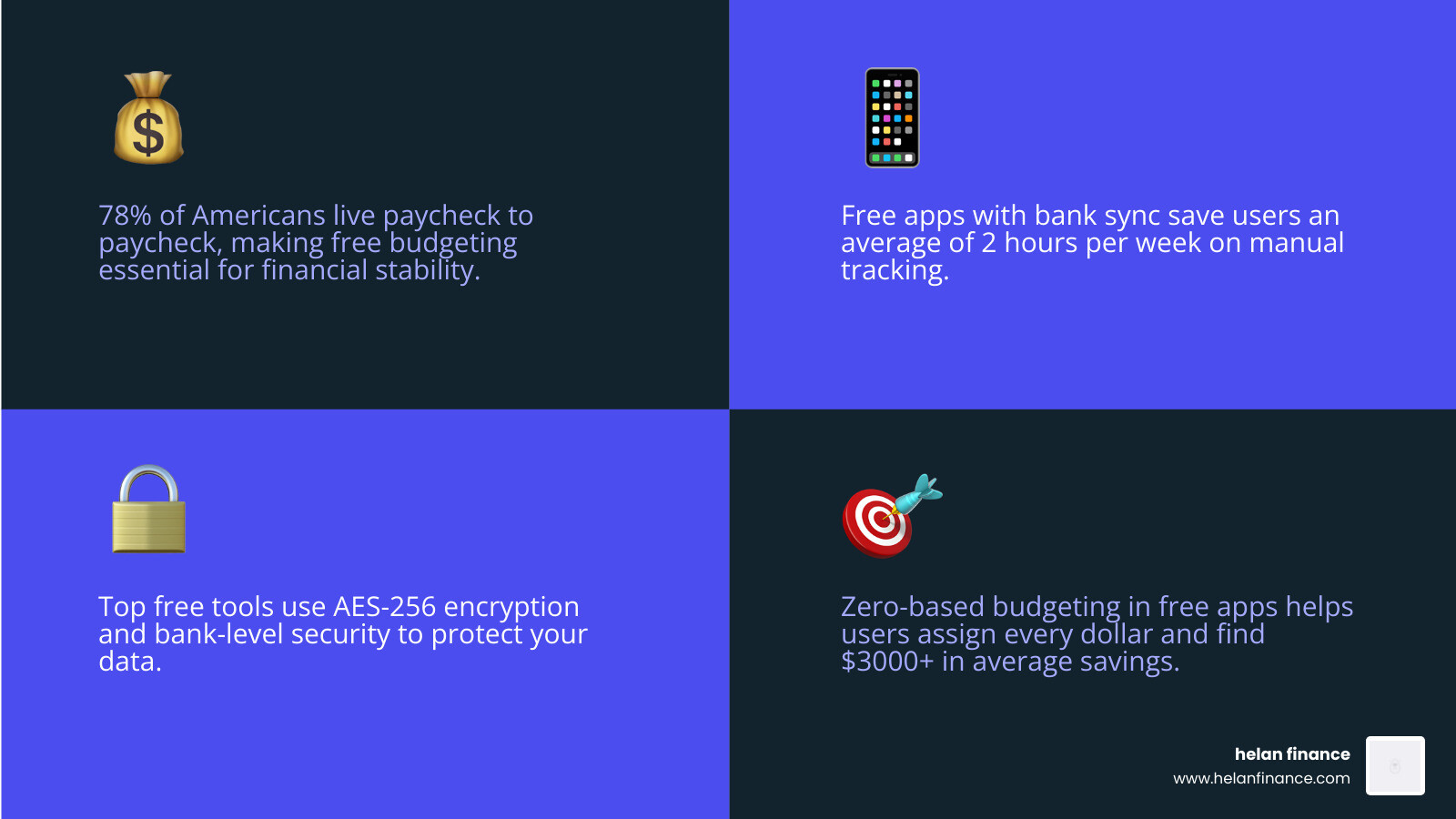
Safety is the number one concern when linking financial accounts. In 2026, the standard for any reputable app for budgeting free is bank-level security. This includes AES-256 encryption (the same kind used by the military) and multi-factor authentication (MFA).
Privacy-focused apps take it a step further by keeping everything 100% offline, meaning your data never even touches a cloud server. Whether you choose a cloud-based sync or a local storage option, always ensure the provider has a clear policy against selling your personal data to third parties.
Top-Rated Free Budgeting Solutions for 2026
| Tool Type | Best For | Key Free Feature |
|---|---|---|
| Virtual Envelope | Couples & Families | Shared syncing across devices |
| Zero-Based | Debt Payoff | “Give every dollar a job” philosophy |
| Offline/Private | Privacy Enthusiasts | No account or internet required |
| Newcomer Focused | Immigrants/Canadians | Multi-lingual & cost-of-living data |
If you are just starting, learning How to Zero-Based Budget in 5 Easy Steps can help you decide which of these tools matches your mental model of money.
Virtual Envelope Systems for Shared Finances
The “envelope method” is a classic for a reason. You put a set amount of cash into envelopes for groceries, rent, and fun. When the envelope is empty, you stop spending. In 2026, many apps have digitized this.
Virtual envelope budgeting is particularly excellent for households because it allows you to sync your “envelopes” across multiple devices. We find this perfect for partners who need to know, in real-time, if there is still money left in the grocery budget before they head to the store. Free versions often provide a limited number of regular envelopes, which is usually plenty for a standard household budget.
The Best App for Budgeting Free for Beginners
For those new to the game, a complex interface can be a deterrent. We recommend looking for apps that offer a guided setup and prioritize financial literacy. Simple Budgeting Routines to Keep Your Wallet Happy are much easier to maintain when the app walks you through the process.
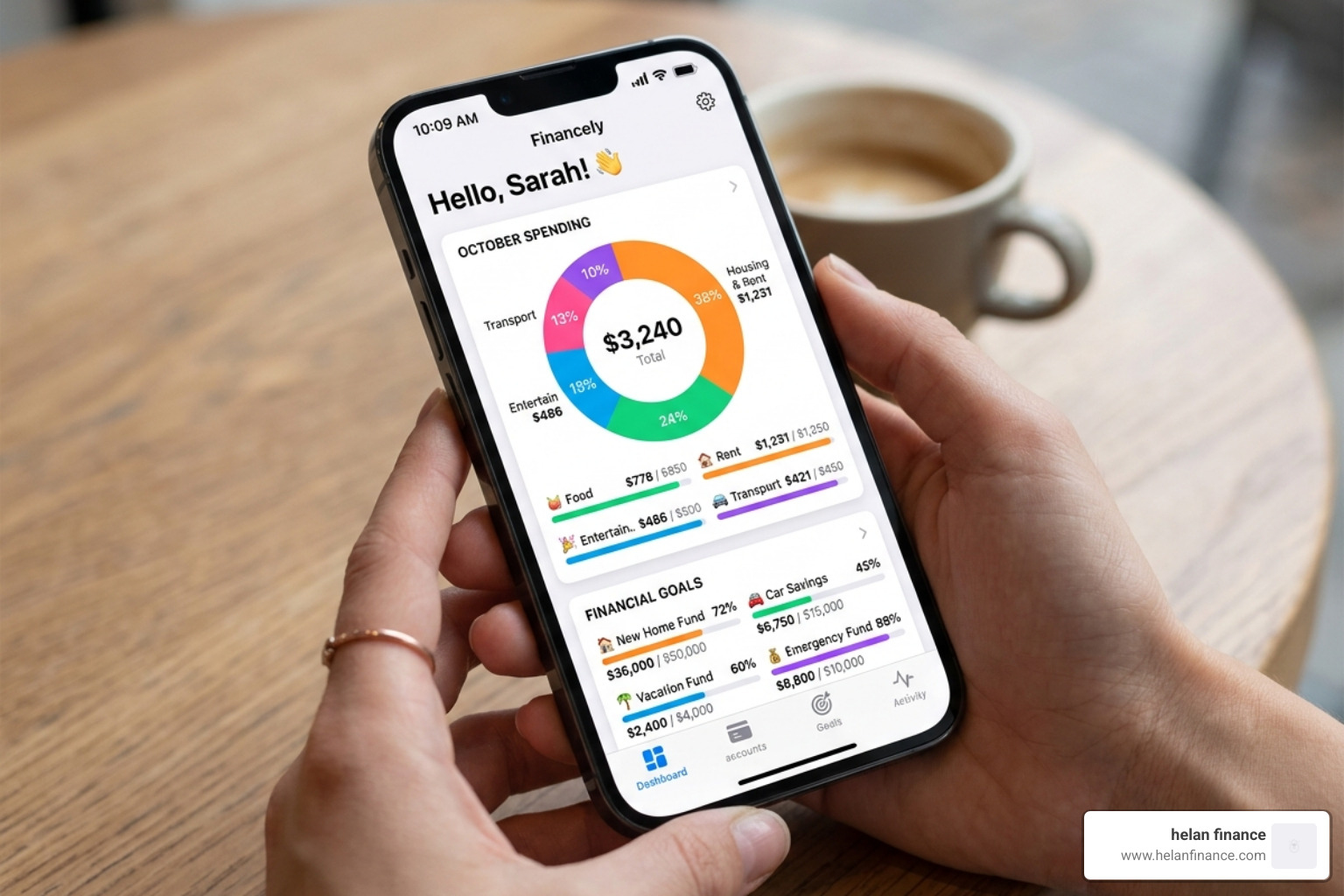
A beginner-friendly budgeting app should use a clear “Planned vs. Spent vs. Remaining” interface. It’s designed to be intuitive, helping you see exactly where your money is going from day one. Users of these types of tools often find meaningful savings in their first year simply by spotting spending leaks they never noticed before.
Privacy-First Offline Tools and No-Signup Options
If the idea of creating another account or linking your bank makes you nervous, you aren’t alone. Some budgeting apps are built specifically for the privacy-conscious.
These tools can be 100% offline. They may require no signup, no email, and no cloud connection. Your data stays on your phone or device, often encrypted with AES-256. This “no-account” access is one of the strongest ways to ensure your financial life remains private while still enjoying the benefits of digital tracking.
Specialized Tools for Newcomers and Canadians
Budgeting in a new country is hard. Some free budgeting tools are designed specifically for newcomers to Canada. They address challenges like currency conversion, budgeting in a new financial system, and understanding the average cost of living in various Canadian cities.
Many of these tools use a “sustainable spending” model – focusing on the big picture of income vs. expenses rather than tracking every single cent, which can be overwhelming when you are also trying to navigate a new culture and job market.
Managing Recurring Bills and Subscriptions
One of the fastest ways to save money is to find those “ghost” subscriptions you forgot to cancel. Free subscription tracking tools can be especially useful here.
Even in a free tier, these tools often provide a powerful overview of your recurring bills. While some features like automated cancellation might be behind a paywall, the free version still acts as a brilliant bill reminder and subscription tracker. It can alert you to price hikes and upcoming due dates, helping you stay ahead of those pesky automated withdrawals.
Comparing Zero-Based Tools and Functionality
Zero-based budgeting means “giving every dollar a job.” If you earn $4,000, you assign all $4,000 to categories, including savings and debt, until $0 is left.
Free zero-based budgeting tools often excel here. Some are available as Progressive Web Apps (PWAs), meaning they work in your phone’s browser but feel like native apps. They can offer high-quality dashboards and even net worth tracking for $0. These are great alternatives for people who want the power of a structured zero-based system without paying a high annual fee.
Free vs. Paid: Understanding the Trade-offs

While we love a good app for budgeting free, it’s important to be realistic about the limitations. Most free apps follow one of three models:
- The “Freemium” Model: You get the basics for free, but “Power User” features like automatic bank syncing or unlimited categories require a subscription.
- The Ad-Supported Model: The app is free, but you’ll see non-intrusive ads for financial products like credit cards or high-yield savings accounts.
- The Passion Project: These are rare gems maintained by developers who believe in free financial tools.
If you find yourself needing advanced transaction splitting or 7+ years of history, you might eventually look into Give Every Cent a Purpose with These Top Zero-Based Budgeting Tools that offer premium upgrades.
Platform Compatibility and Multi-Device Sync
In 2026, we expect our apps to work everywhere. Most top budgeting tools offer seamless sync between Android, iOS/iPhone, and web browsers. This is vital if you like to enter transactions on your phone but prefer to sit down at a laptop once a week for a “deep dive” into your spending trends. Cloud backups ensure that if you lose your phone, you don’t lose your financial history.
What Users Are Saying: Reviews and Quality Rankings
Community feedback is a great barometer for quality. Users often praise the “simplicity” of free tools over the “feature bloat” of paid alternatives.
However, some users note that free versions of popular budgeting apps can be frustrating if you have a lot of accounts to link and the free version limits you to manual entry. The consensus? If you are willing to spend 5 minutes a day entering transactions, free tools are often better at helping you actually change your habits.
Maximizing Your App for Budgeting Free for Debt and Savings
A budget isn’t just about restriction; it’s about reaching your dreams. Whether you want to buy a home or just stop living paycheck-to-paycheck, The Best Money Apps are designed to help you visualize your progress.
Tracking Net Worth and Financial Insights
Free budgeting and financial dashboard tools can help you track net worth by aggregating bank accounts, retirement accounts, and even liabilities like mortgages. For many of us, seeing that net worth line go up over time is the ultimate motivation to stick to a budget.
Achieving Financial Goals and Debt Milestones
Most free apps now include goal categories, savings targets, or debt milestones. You can set a target – like a $2,000 emergency fund – and the app will show you exactly how close you are. For debt payoff, look for tools that offer debt progress reports. These features help you estimate payoff dates and see how much interest you may save by making extra payments.
Frequently Asked Questions about Free Budgeting Tools
How do I get started with a free budgeting app in under 5 minutes?
Most apps make onboarding a breeze.
- Download & Sign Up: Pick a free budgeting app that fits your style.
- Enter Income: Put in your monthly take-home pay.
- Basic Categories: Use the app’s defaults (Housing, Food, Transport).
- Log One Transaction: Enter your last purchase. That’s it! You’re officially budgeting.
Are free budgeting apps really safe for linking my bank accounts?
Yes, provided they use established services like Plaid or Finicity. These services act as a secure bridge; the app itself never sees or stores your bank login credentials. If you are still worried, stick to manual entry or offline apps where no bank linking is required.
What are the main limitations of free versions compared to paid subscriptions?
The most common trade-offs are:
- Manual vs. Auto-Sync: Free versions often require you to enter or upload transactions manually.
- Account Limits: You might be limited to 10 or 20 envelopes or categories.
- Support: Paid users often get priority email or chat support.
- Ads: You may see suggestions for financial products within the app.
Conclusion
At Helan Finance, we believe that taking control of your money is the single most important step toward a stress-free life. You don’t need a fancy, expensive subscription to do it. By choosing the right app for budgeting free, you can gain the clarity needed to crush your debt and build a future you’re excited about.
Simplified financial planning is about the habits you build, not the amount you pay for the software. Start today, stay consistent, and watch your financial health transform.
Ready to take the next step? Explore our simplified financial planning tools to keep your momentum going!

