
Stop Stressing and Start Saving with These Simple Budgeting Tips
Why So Many People Say “I Need Help Budgeting” (And What to Do About It)
If you’ve ever thought “i need help budgeting”, you’re in good company. Most people feel that way at some point — and the fix is simpler than you think.
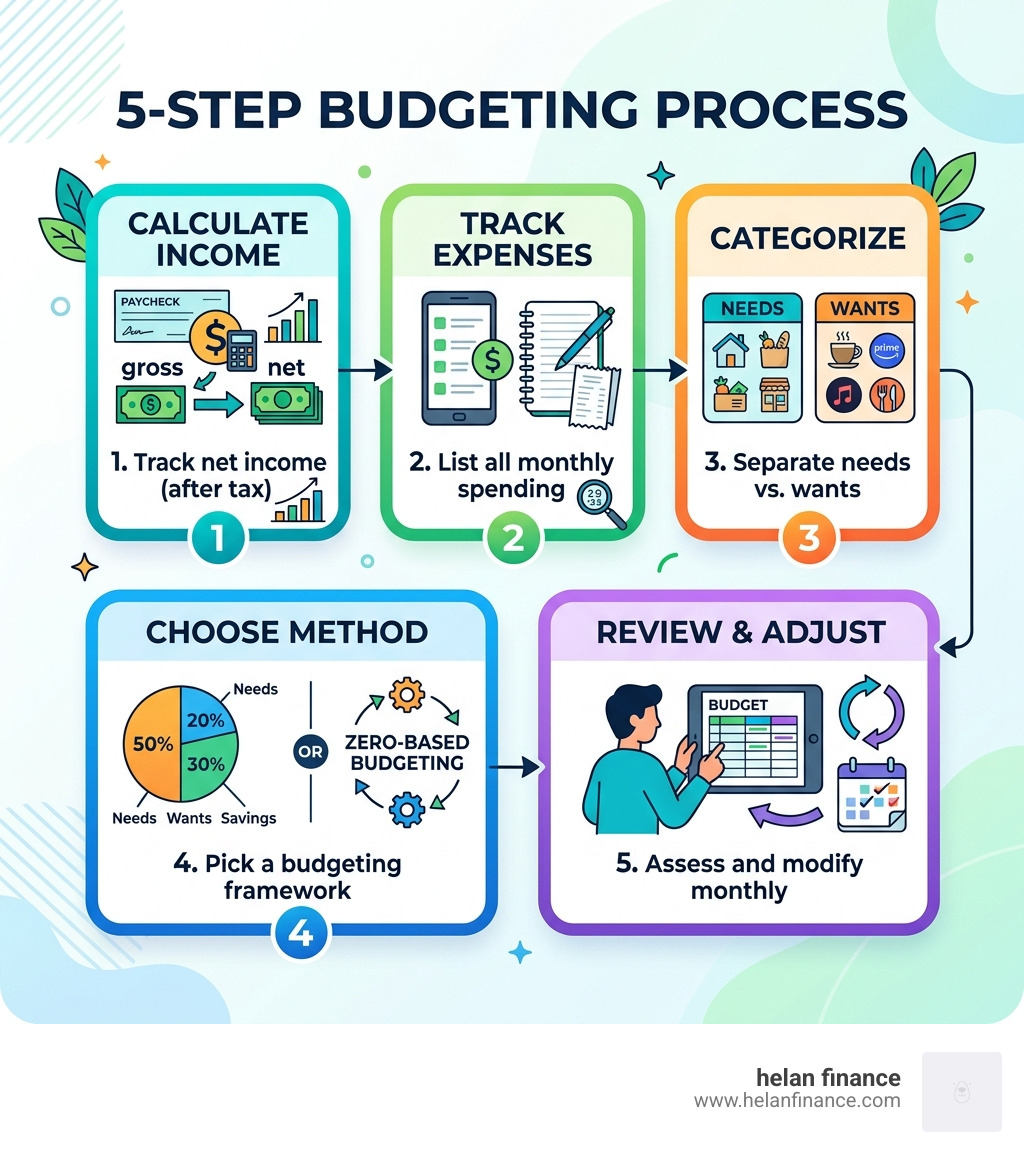
Here’s how to start budgeting right now, in 5 steps:
- Calculate your net income — what actually lands in your bank after taxes
- Track your spending — list every expense, fixed and variable
- Categorize needs vs. wants — housing and groceries are needs; takeout and streaming are wants
- Pick a budgeting method — the 50/30/20 rule or zero-based budgeting are great starting points
- Review and adjust monthly — a budget is a living plan, not a one-time task
Managing money can feel overwhelming when you don’t know where to start. The good news? You don’t need a finance degree or hours of free time to get it right.
A budget is simply a plan for your money. It shows you what’s coming in, what’s going out, and where you can do better. That’s it.
The problem isn’t that budgeting is hard. It’s that most people never got a clear, simple starting point.
That’s exactly what this guide gives you.
What is a Budget and Why is it Essential for Success?
At its core, a budget is a written record of your personal finances. It tracks every dollar of income and every cent of expenses over a specific period—be it weekly, bi-weekly, or monthly. Think of it as a roadmap: without it, you’re driving toward your financial goals in the dark with no GPS.
Why is this so important for your financial success? Because a budget puts you in the driver’s seat. Instead of wondering where your money went at the end of the month, you tell your money where to go at the beginning. This clarity is the foundation of Financial Planning 101.
As we navigate April 2026, the financial landscape is shifting. Recent data shows that 4 out of 10 credit card holders are currently falling behind on payments and racking up interest. Without a plan, it is incredibly easy to fall into that trap. A budget helps you avoid overspending, ensures you have enough for essentials, and—most importantly—creates a path toward your 2026 financial goals.
Whether you want to save for a summer vacation or just want to learn How To Manage Your Money Without Losing Your Mind, a budget is your most powerful tool. It provides “financial peace of mind,” allowing you to relax knowing the bills are covered and the fridge is full. For a great foundational look at starting out, you can also check out this guide on Making a Budget | consumer.gov.
I Need Help Budgeting: The First Steps to Financial Control
If you are standing at the starting line and shouting, “i need help budgeting,” take a deep breath. You don’t have to conquer everything in 24 hours. The first step to financial control is simply gaining clarity. You need to gather your “raw materials”—your pay stubs, bank statements, and utility bills.

Before you can build a plan, you have to know what you’re working with. This involves looking at your spending habits without judgment. Are you spending $200 a month on artisanal coffee? That’s okay—as long as it’s a conscious choice and not an accidental leak in your bank account. To dive deeper into the basics, our Budget Planner 101 guide is a perfect companion.
I Need Help Budgeting to Calculate My Net Income
The biggest mistake people make is budgeting based on their gross salary (the big number at the top of the offer letter). To budget effectively, you must focus on your net income, also known as your take-home pay. This is the amount that actually hits your bank account after taxes, insurance, and 401(k) contributions are deducted.
If you have a steady 9-to-5, this is easy—just look at your last few pay stubs. However, many of us deal with irregular income from freelancing or seasonal work. If that’s you, calculate your average monthly income from the past year. Use that average as your baseline, and during “high” months, set the extra aside as a buffer for the “lean” months. Finding the right rhythm for your specific situation is key, which is why we recommend Finding The Best Weekly Budget Planner For Your Pay Cycle.
I Need Help Budgeting to Categorize My Expenses
Once you know what’s coming in, you need to see where it’s going. We like to split expenses into two main buckets:
- Fixed Expenses: These are the “hard” bills that stay the same every month—rent or mortgage, car payments, insurance, and internet.
- Variable Expenses: These change based on your behavior—groceries, gas, dining out, and entertainment.
A great tip is to use a bill calendar to list all your due dates. This helps you spot “timing mismatches.” Sometimes you have enough money for the month, but all your big bills are due in the first week before your second paycheck arrives. For those who get paid every two weeks, using The Best Bi Weekly Bill Planner Tools To Sync Your Paycheck can be a total game-changer.
Don’t forget the “invisible” expenses! Small daily purchases like a $4 snack or a $2 parking fee add up significantly over 30 days. If you’re looking for a simple start, check out this One Simple Way To Create Monthly Budget.
Popular Budgeting Methods to Reach Your 2026 Goals
There is no “one-size-fits-all” in finance. The best budget is the one you actually stick to. Here are three of the most effective methods to consider for April 2026 and beyond:
- The 50/30/20 Rule: This is the ultimate “low-stress” budget. You allocate 50% of your net income to Needs (housing, utilities, groceries), 30% to Wants (dining out, Netflix, hobbies), and 20% to Savings and Debt Repayment. It’s flexible and great for beginners.
- Zero-Based Budgeting: This is for the person who wants absolute control. The goal is for your income minus your expenses to equal exactly zero. You give every single dollar a “job” to do—whether that job is “pay the electric bill” or “buy a new pair of shoes.” If you want to master this, read How To Zero Based Budget In 5 Easy Steps.
- Pay-Yourself-First: This method flips traditional budgeting on its head. As soon as you get paid, you immediately move money into your savings or debt payments. Whatever is left over is what you have for everything else.
Comparing Budgeting Methods
| Feature | 50/30/20 Rule | Zero-Based Budgeting |
|---|---|---|
| Effort Level | Low to Medium | High |
| Best For | Beginners & General Balance | Maximum Efficiency & Debt Payoff |
| Flexibility | High | Low (Every dollar is assigned) |
| Primary Goal | Balanced Lifestyle | Accountability for every cent |
How to Prioritize Savings and Reduce Debt
When you think, “i need help budgeting,” what you’re often really asking is, “How do I stop living paycheck to paycheck?” The answer lies in prioritization.
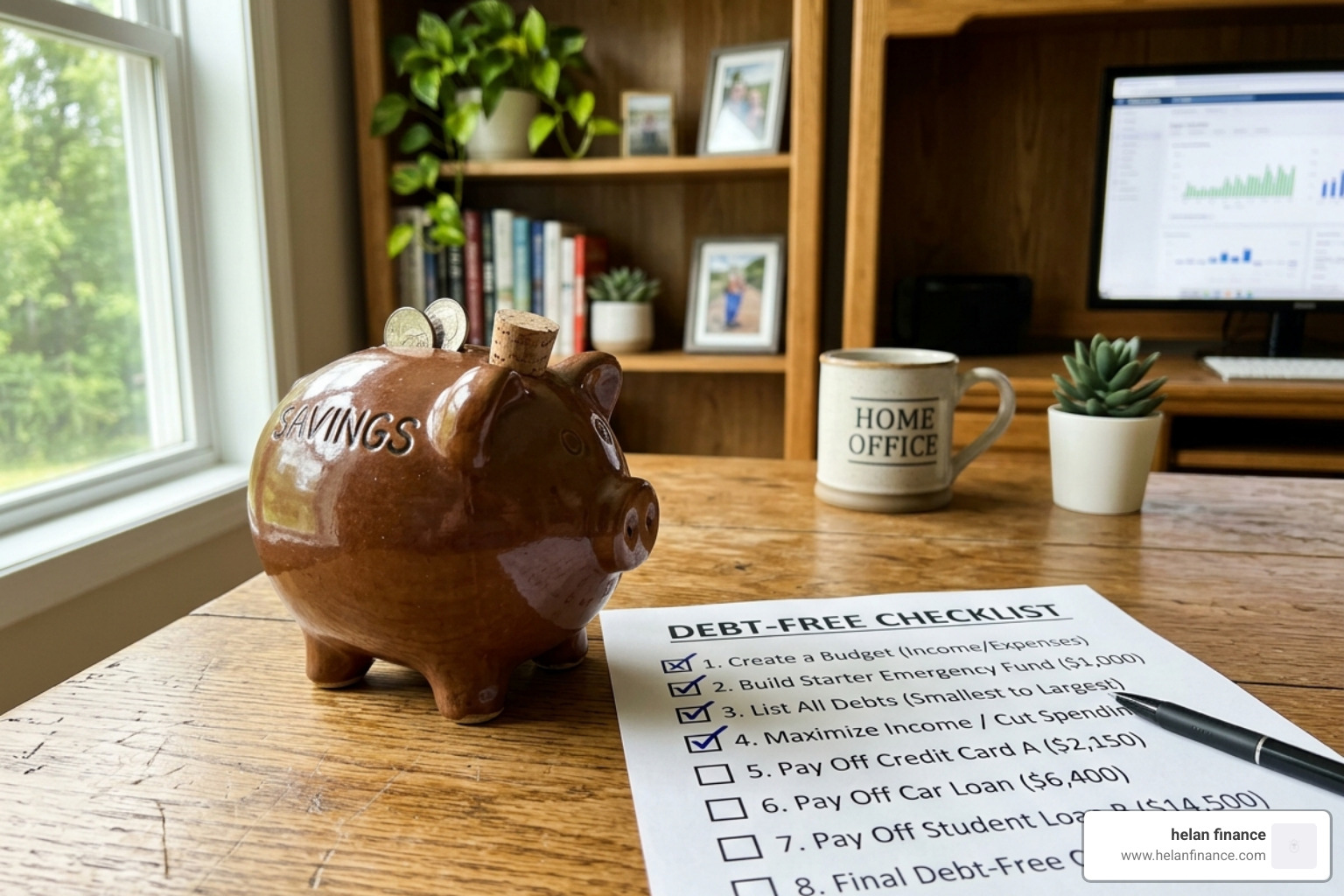
In 2026, 46% of Americans plan on saving money for emergencies, and 30% plan on paying off one or more debts in full. To join them, you have to distinguish between “needs” and “wants.” A “need” is essential for your survival and ability to work (like shelter and transportation). A “want” is anything that makes life more fun but isn’t strictly necessary (like that third streaming subscription).
We recommend prioritizing your money in this order:
- The Four Walls: Food, utilities, shelter, and transportation.
- Starter Emergency Fund: Aim for at least $500 to $1,000 to cover a surprise car repair.
- High-Interest Debt: Tackle credit cards with the highest interest rates first.
- Full Emergency Fund: Build up 3 to 6 months of living expenses.
For more detailed guidance, Your guide to creating a budget plan – Better Money Habits offers excellent insights into setting long-term goals. You can also explore Simple Budgeting Routines To Keep Your Wallet Happy for daily habits that make this easier.
Strategies to Cut Costs
If your expenses are higher than your income, you have two choices: make more or spend less. Here are some insanely simple ways to trim the fat:
- Meal Plan: Stop the “what’s for dinner?” panic that leads to $50 UberEats orders. Shopping with a list can save hundreds a month.
- The Subscription Audit: Check your bank statement for recurring charges you forgot about. If you haven’t used it in 30 days, cancel it.
- Student and Professional Discounts: Always ask if a discount is available. Whether you’re in college or work for a specific industry, these small wins add up. Students can find specific tips in How To Build A Student Budget That Works.
- Energy Efficiency: Turn off lights, unplug electronics not in use, and adjust your thermostat by just two degrees.
- Thrift and Second-Hand: Before buying new, check marketplaces or thrift stores for clothing and household items.
Tools and Routines for Long-Term Success
Budgeting isn’t a “set it and forget it” activity. It’s a habit, like going to the gym. To stay consistent, you need the right tools. Some people love budgeting apps that sync with their bank accounts, while others find that physically writing things down helps them stay more mindful.
If you prefer the “pen and paper” route, we highly recommend The Ultimate Guide To Mastering Your Money With Large A4 Budget Planners. There is something powerful about seeing your goals in black and white.
For those who love spreadsheets, you can grab our Budget Worksheet Free Download Template. To make it even easier, check out these 10 Insanely Simple Budget Template Tricks to customize your tracker like a pro.
Pro-Tip: Automate your success. Set up an automatic transfer from your checking to your savings account on every payday. If you never see the money in your spending account, you won’t miss it!
Frequently Asked Questions about Budgeting
How do I budget with an irregular income?
Budgeting with an irregular income requires a “conservative” approach. Calculate your average monthly earnings over the last 6-12 months. Use the lowest month as your baseline for essential expenses. In months where you earn more, don’t increase your lifestyle—instead, put that extra money into a “buffer” account. This buffer will act as your “paycheck” during the months when work is slow.
What is the 50/30/20 rule?
The 50/30/20 rule is a simple percentage-based allocation for your net income.
- 50% for Needs: Rent, groceries, utilities, and minimum debt payments.
- 30% for Wants: Dining out, hobbies, and entertainment.
- 20% for Savings and Debt Repayment: Emergency funds, retirement, and extra payments toward debt. It’s a great way to ensure you are living a balanced life while still preparing for the future.
How often should I review my budget?
We recommend a deep dive once a month, usually a few days before the new month begins. However, doing a quick 5-minute “check-in” every week can prevent you from overspending in categories like “Dining Out.” If you have a partner, schedule a monthly “money date” to review the numbers together. This keeps you both accountable and reduces stress-related arguments.
Conclusion
The journey to financial freedom doesn’t start with a million dollars; it starts with a single, simple plan. If you’ve been feeling like “i need help budgeting,” remember that the most important step is simply to start. Don’t worry about being perfect in your first month—research shows it usually takes about three months to really get the hang of it.
By tracking your income, choosing a method that fits your lifestyle, and prioritizing your 2026 savings goals, you are taking back control. You are turning “I hope I have enough” into “I know I have a plan.”
At Helan Finance, we believe that financial planning should be easy and efficient. Our goal is to provide you with the routines and advice you need to keep your wallet happy and your stress levels low.
Ready to take the next step? Start your simplified financial planning journey today and see how much margin you can find in your own budget!

